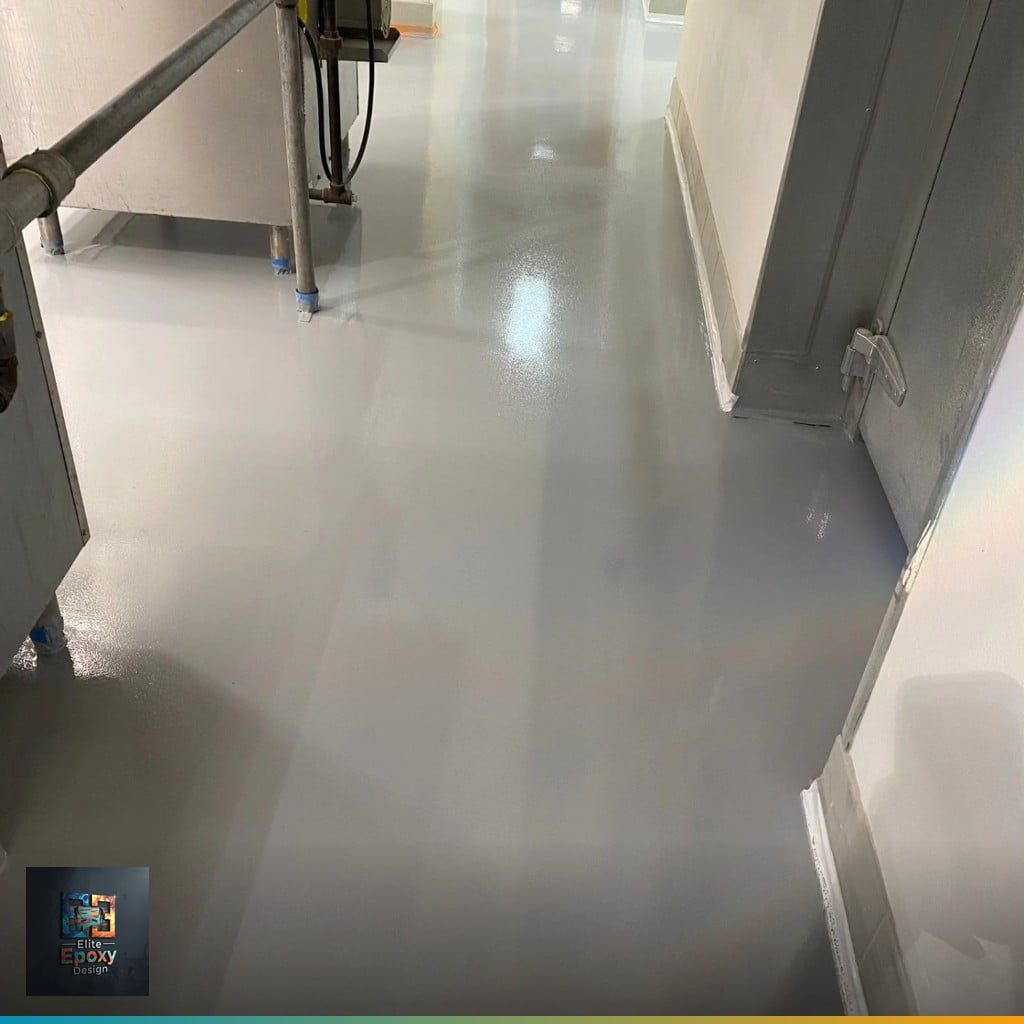
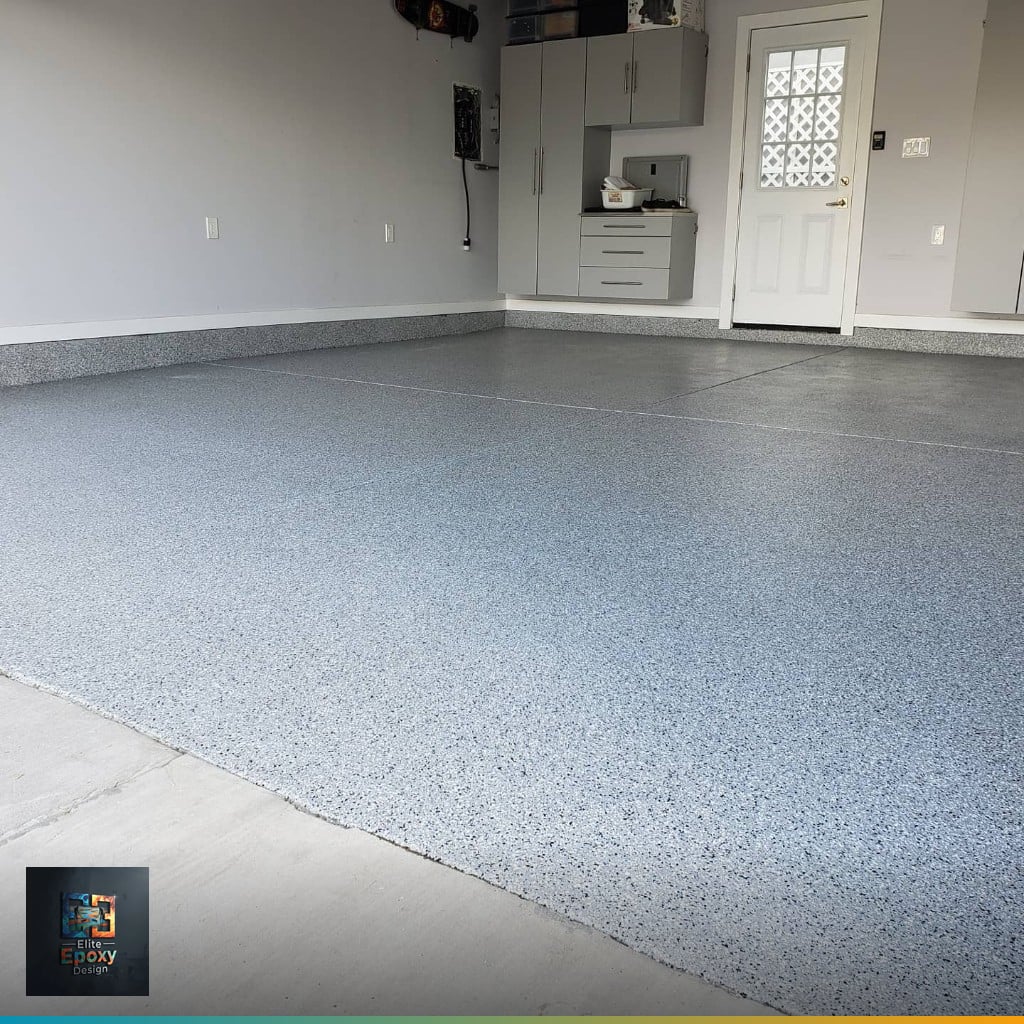
Fuel and hydraulic resistant
Chemistry is specced for drips at the aircraft, not a retail showroom only. Wipes clean still matters when the tail is in the shot.
Hangar floor coating in Michigan is a fuel-resistant polyaspartic or quartz system that still looks like the aircraft belongs there, with joints that actually move and install windows that follow aircraft movement so tails can still roll while we grind and coat by bay.
Hangars take jet fuel, hydraulics, and caster traffic, and owners still want a show floor. We grind, honor moving joints, and spec polyaspartic or quartz that wipes clean.
Install windows follow aircraft movement, not our convenience. Lounges and maintenance bays can be two specs in one project.
Walk the hangar with us. We quote around flight and maintenance hours. Get your free quote →
These are high-build commercial floors we spec for aviation, same fuel-resistant systems we time to aircraft movement in Michigan hangars.
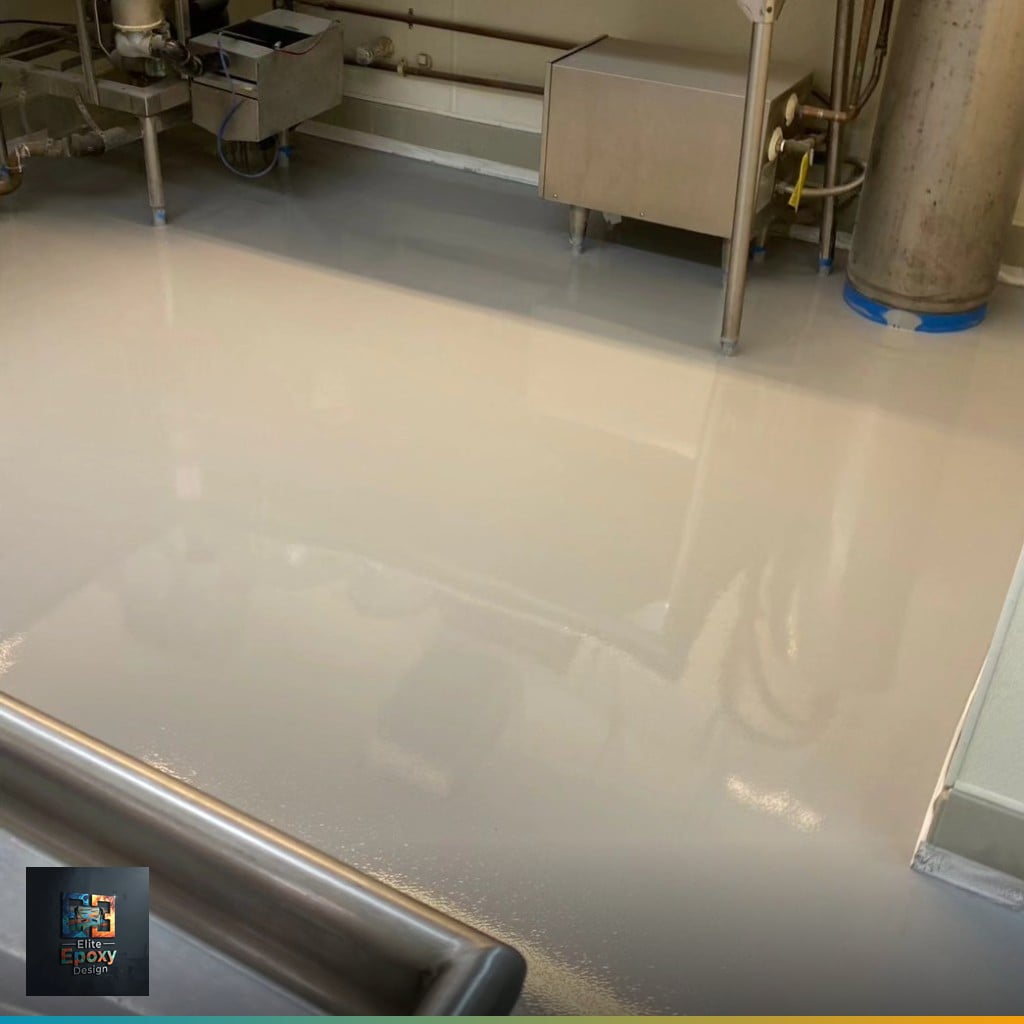
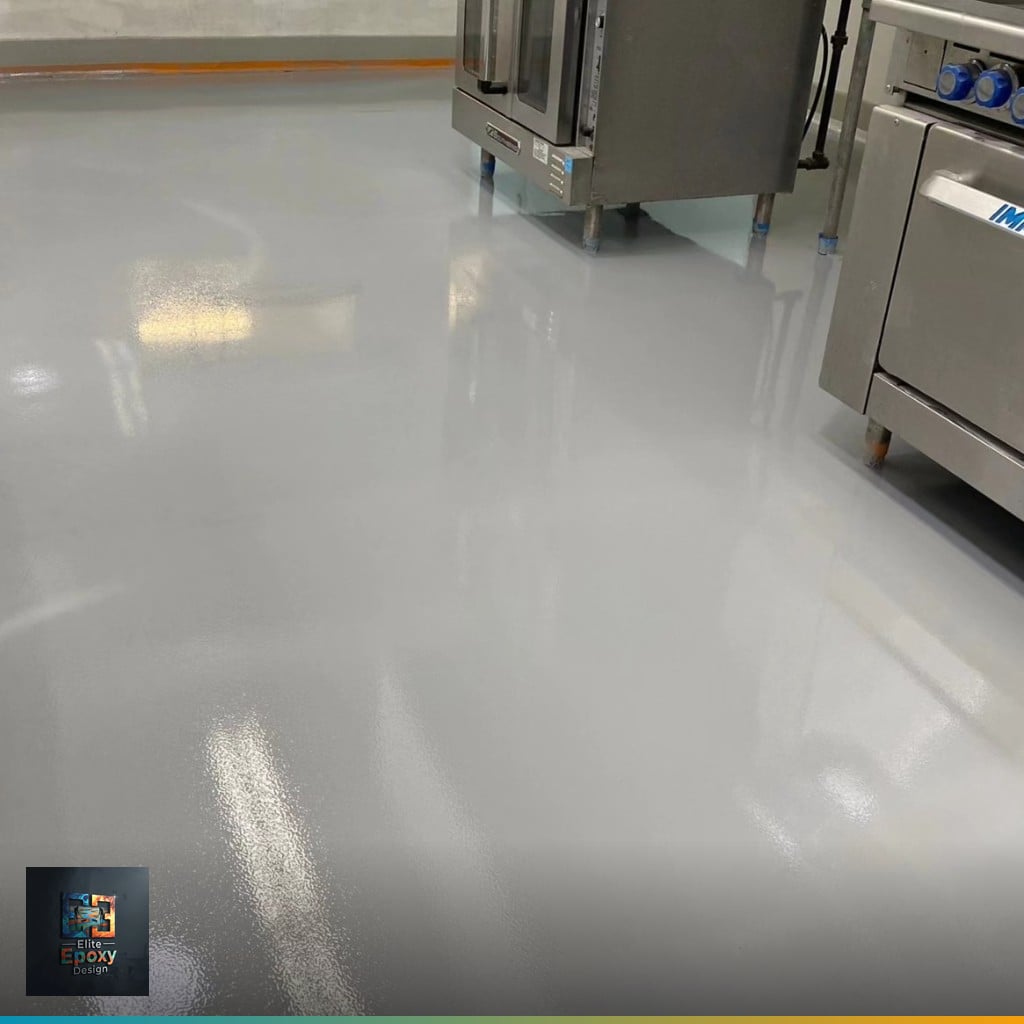
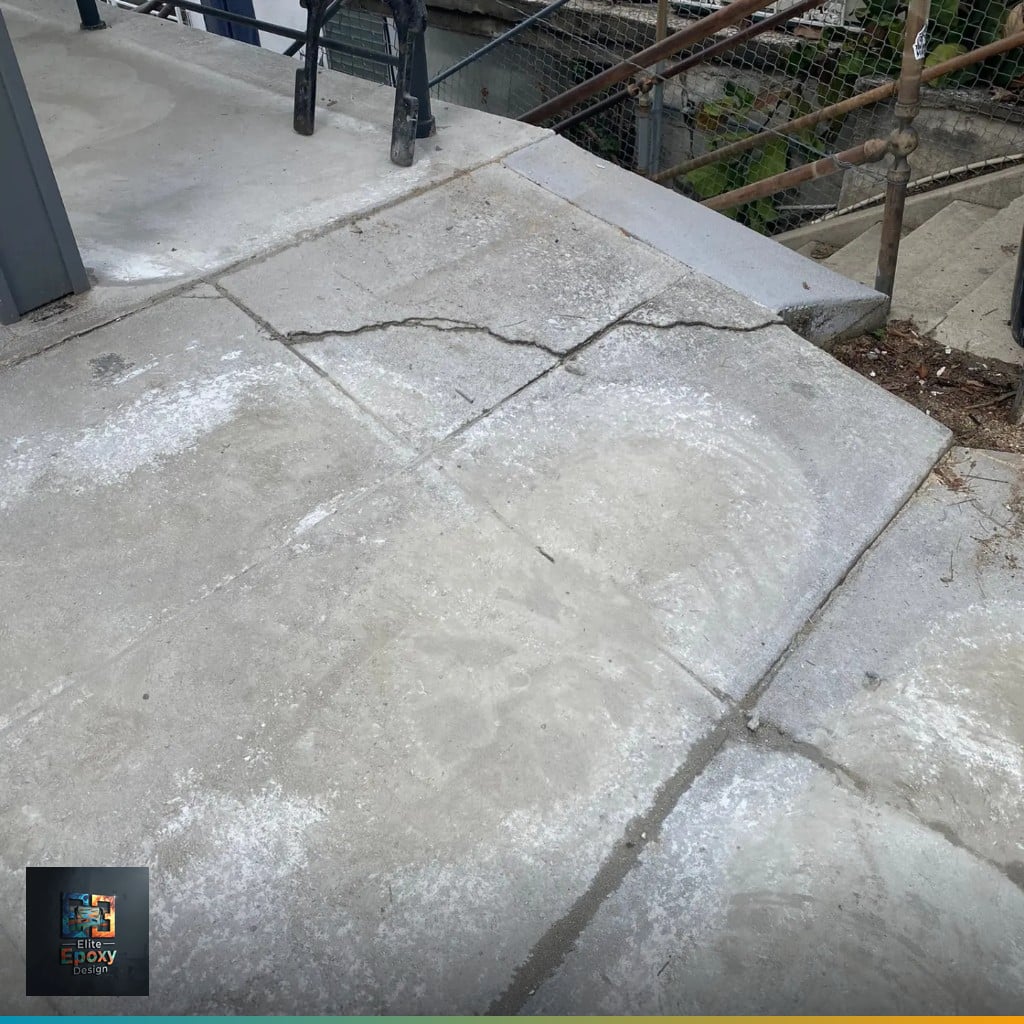
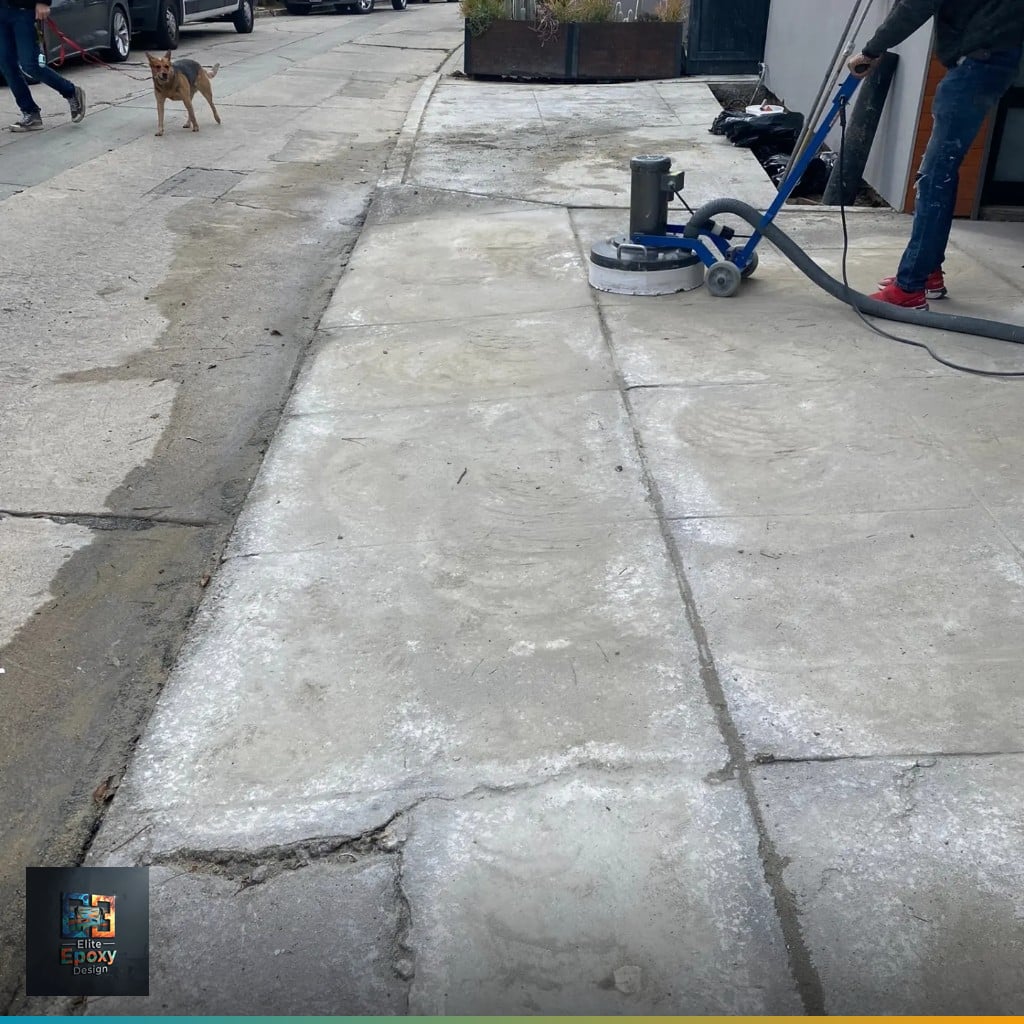
Yes, with a fuel-resistant topcoat, joints that actually move, and bay phasing so tails can still roll while we coat.
Chemistry is specced for drips at the aircraft, not a retail showroom only. Wipes clean still matters when the tail is in the shot.
Seasonal hangar slabs need flexible joint detail, not a film stretched over them. Michigan temperature swings are the test.
We phase bays and lounges so tails can still roll. The calendar follows the flight line, not a contractor convenience window.
We grind, honor moving joints, spec fuel-resistant chemistry, and phase bays around the flight and maintenance hours you already run.
You leave with a written spec matched to traffic, chemicals, and hours. We walk the floor on site and quote with the downtime plan on the page, no pressure.
The slab is profiled before any coating goes down. We diamond-grind, repair joints, and moisture-test so the film has something to hold.
You stay open on the zones we are not coating. Base coat, then flake, quartz, or metallic, phased by aisle or bay around your shifts.
Shifts return on the window we write down. A UV-stable polyaspartic topcoat and fast-cure chemistry are how the floor opens on schedule.
Yes, with a fuel-resistant topcoat and a build that takes casters and tugs. We still grind and honor moving joints. A retail metallic with no fuel spec is the miss. Michigan hangars phase around aircraft movement. Drips get wiped. We do not pretend they never happen. Walk the bay with us before we quote chemistry.
A properly specced topcoat resists fuel and hydraulic fluid. We clean drips, we do not pretend they never happen. Standing fuel is still a clean-up, not a design feature. Cheap garage epoxy stains and peels. The spec is the product. Bring what actually drips on your floor.
Yes. We phase around movement windows you already run. A tail left in place is an uncoated island. Empty is faster. Occupied hangars are normal. The move list is with the FBO or owner before grind day. We do not invent a close that fights the flight schedule.
Hangars, maintenance bays, and customer-facing lounges can be specced as one project. Show finish up front, fuel-resistant in the bay. Same crew, two systems. Many Michigan FBOs coat both so the walk from lounge to tail feels finished. We quote zones separately if the calendar needs it.
Available where electronics work needs it. We confirm that on the walkthrough. Not every hangar needs ESD. Guessing is how you overspec or underspec. Avionics shops and maintenance bays are different than a storage hangar. Call it out before we mix.
Aliphatic topcoats are specced where sun hits. Cheap epoxy yellows at the door line. Michigan summer through an open hangar door is UV, which is why indoor garage chemistry fails there. That difference is the job at the threshold. We check sun load on the walkthrough.
Moving joints get honored. Coating over them is how leaks and splits come back. Seasonal slabs move. We detail, we do not stretch a film across a living joint. That is on the quote as joint work, not a surprise when the first cold snap hits.
On the cure window we write for temperature and chemistry. Tugs and tails wait. Walking the lounge can be sooner than rolling a twin. Cool hangars run slower. Ops gets a bay-release time. Rolling early prints tires into a green film.
Related look, different chemistry. Showrooms sell cars. Hangars take fuel and hydraulics. We can still do high-gloss. We will not copy a retail-only spec onto a fuel bay. Two rooms, two specs, one project if you want the lounge to match.
The same crew coats showrooms, industrial plants, and auto shops when those rooms need a finish that still works under abuse.
Walk the hangar with us. We quote around flight and maintenance hours, including joint detail and the bay-release window.