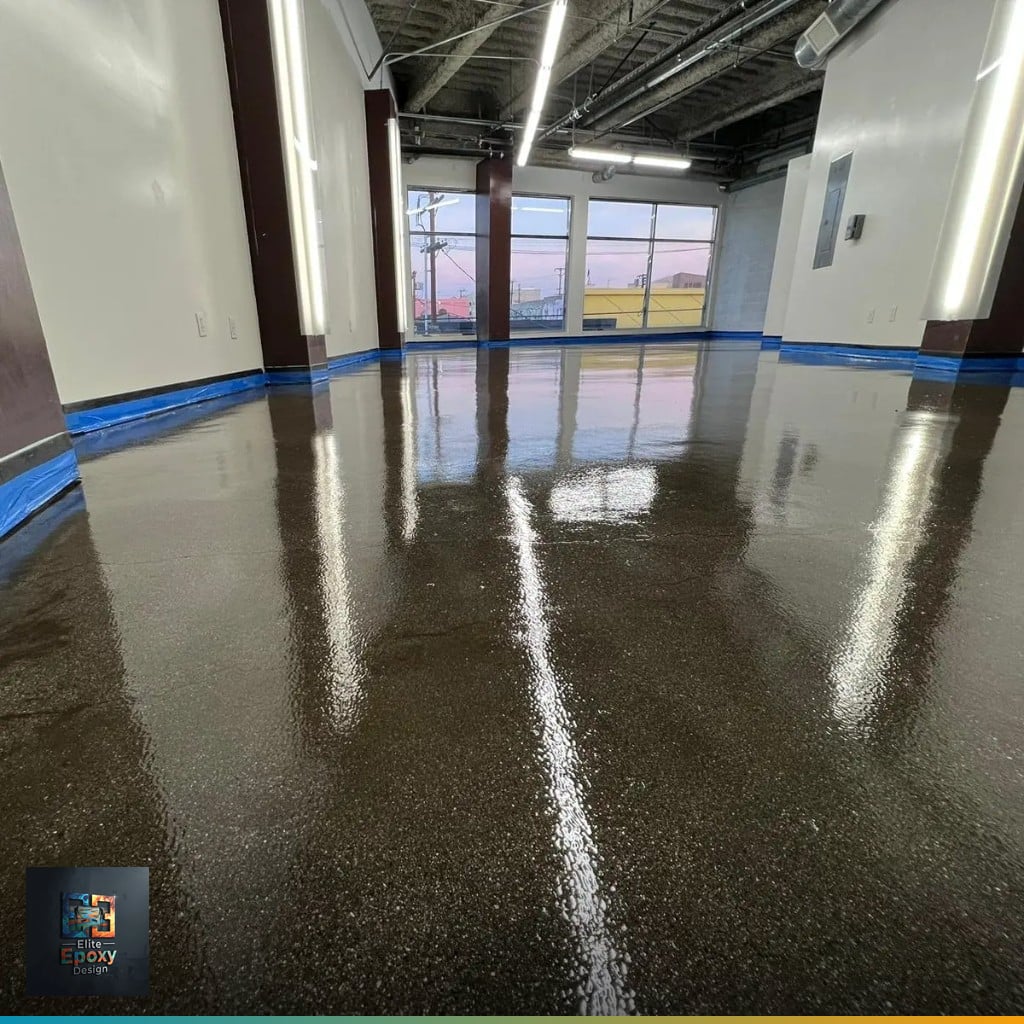
Rated for trailers and forks
Extra thickness at levelers, aprons, and drop zones where slabs usually spall. Thin warehouse paint dies here first.
Loading dock coating in Metro Detroit is an impact-rated quartz or high-build system at the doors that take trailer hits, salt, and steel wheels, installed bay by bay so you do not lose every inbound door at once while we grind, detail levelers, and put extra thickness at pit lips.
Docks fail first: trailer hits, salt, and steel wheels at the leveler. We degrease, grind, and put extra build at pit lips and bump zones.
Work is bay-by-bay so you do not lose every door at once. Yellow edges and staging boxes can go in with the coat.
Walk the doors with us. We quote per bay and around your inbound hours. Get your free quote →
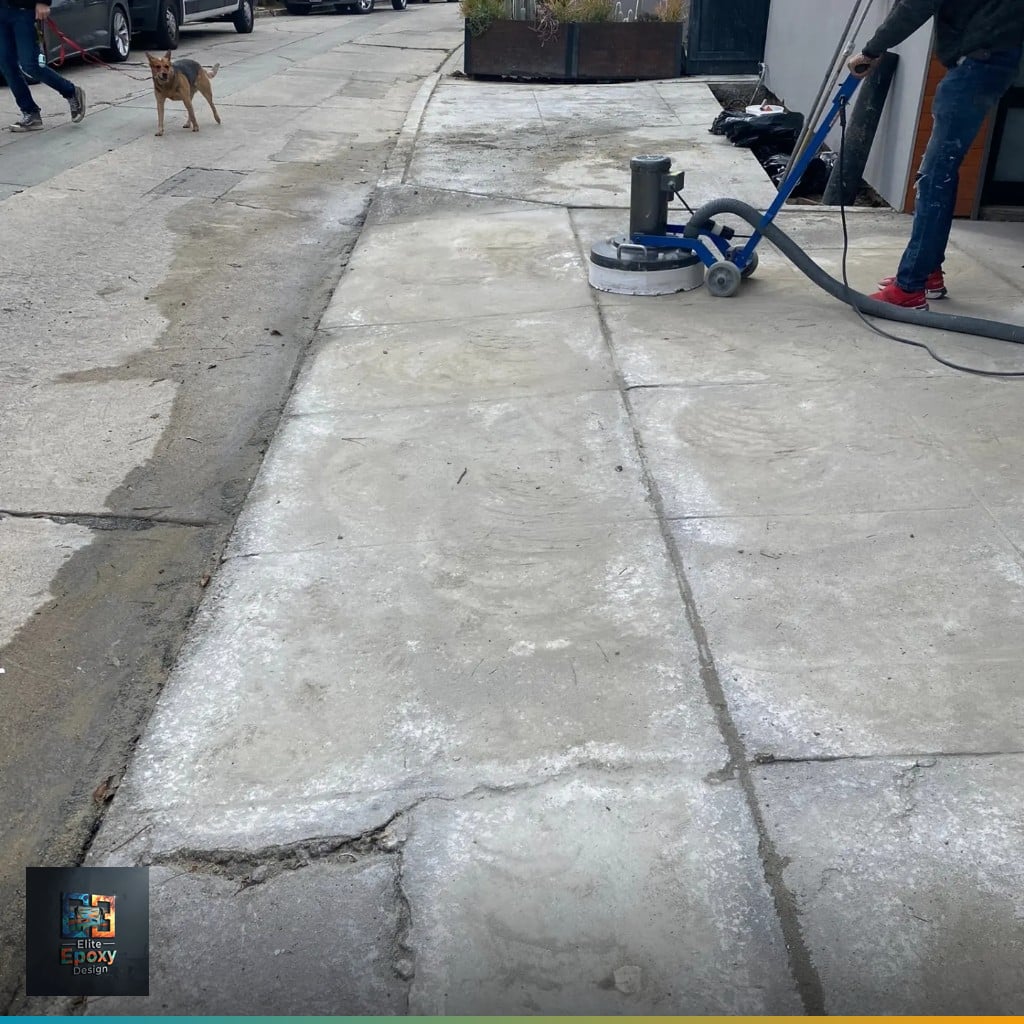
These are high-build commercial floors we installed in Metro Detroit, same impact-rated systems we spec at levelers, pit lips, and trailer traffic.
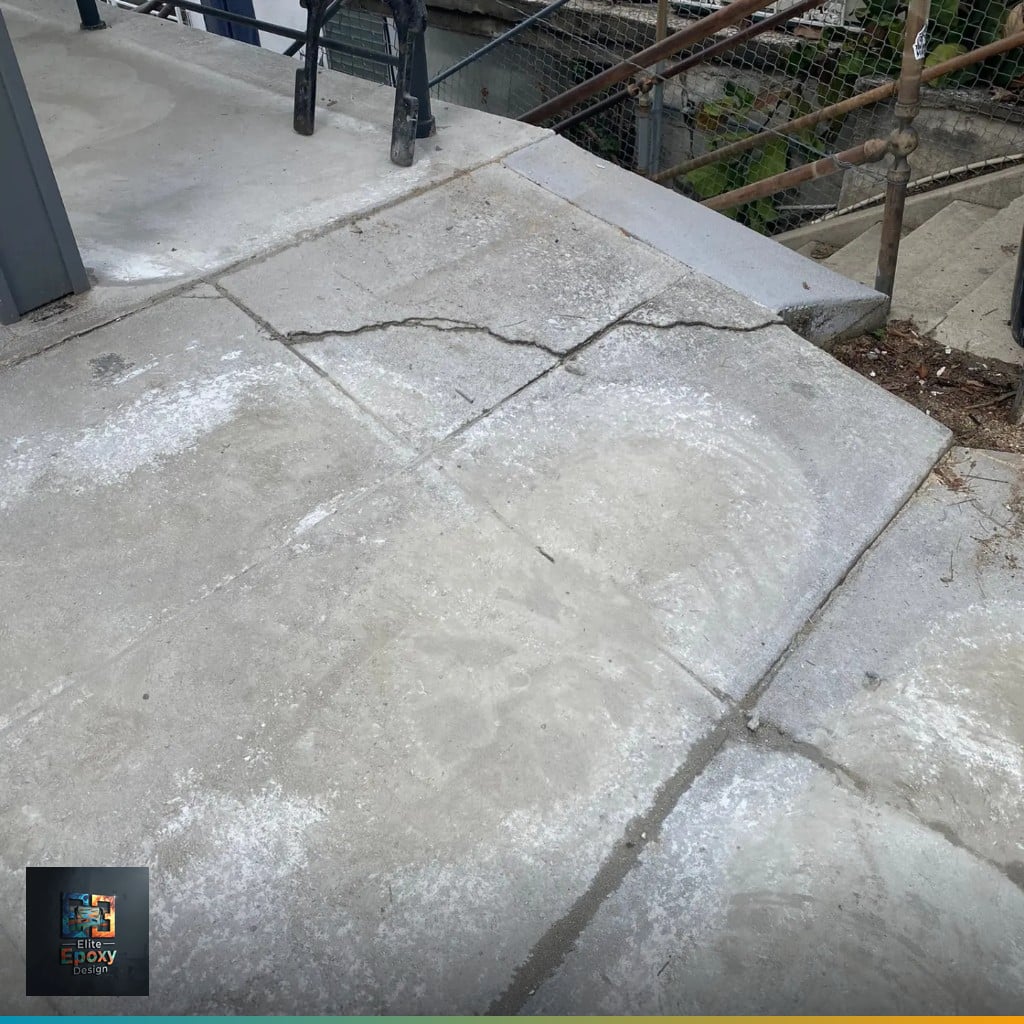
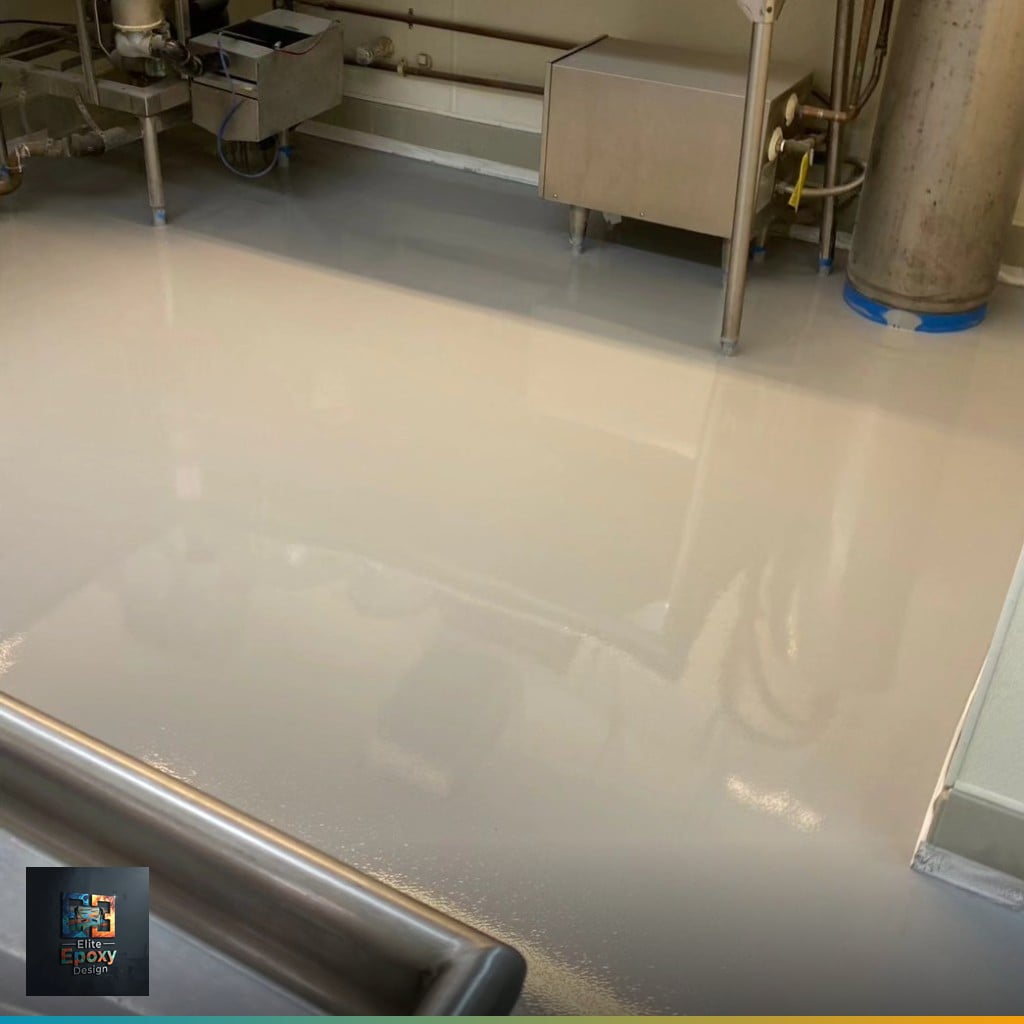
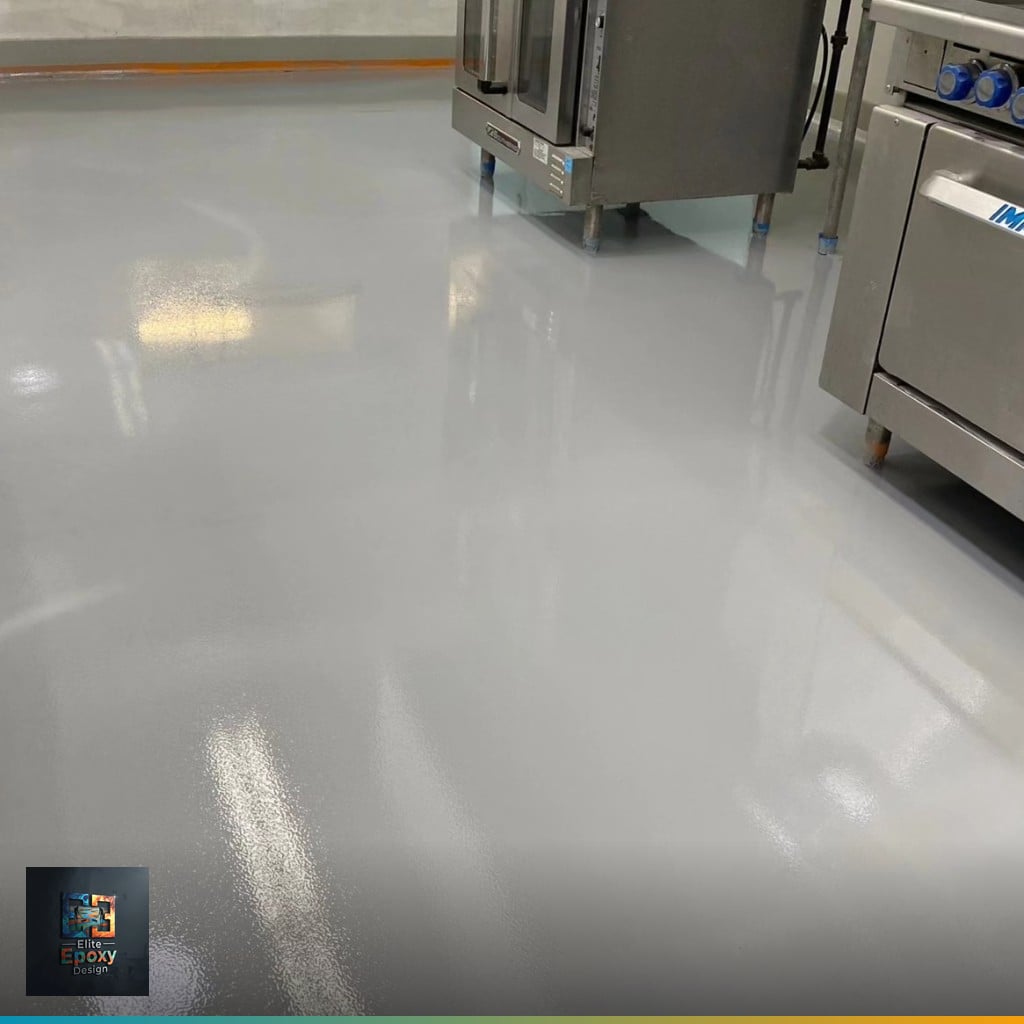
Yes, with extra thickness at pit lips, salt neutralized in prep, and bay-by-bay phasing so inbound does not stop.
Extra thickness at levelers, aprons, and drop zones where slabs usually spall. Thin warehouse paint dies here first.
Winter brine and hydraulic leaks stay on the surface so they can be cleaned. Peel is a prep miss, not Michigan weather by itself.
Phase by door so inbound keeps moving. You set how many bays can go down. We work that calendar.
We degrease, grind, detail levelers, put extra build at bump zones, and coat one bay at a time around your inbound hours.
You leave with a written spec matched to traffic, chemicals, and hours. We walk the floor on site and quote with the downtime plan on the page, no pressure.
The slab is profiled before any coating goes down. We diamond-grind, repair joints, and moisture-test so the film has something to hold.
You stay open on the zones we are not coating. Base coat, then flake, quartz, or metallic, phased by aisle or bay around your shifts.
Shifts return on the window we write down. A UV-stable polyaspartic topcoat and fast-cure chemistry are how the floor opens on schedule.
Yes if we put extra build at pit lips and bump zones, neutralize salt in prep, and honor moving levelers. Thin warehouse paint dies at the door first. Metro Detroit docks fail from trailer hits and brine, not from lacking a pretty color. We coat bay by bay so inbound keeps moving. Rotten pits get called out before we grind.
Yes. Pits and lips get detailed. We do not bury moving equipment. A film stretched over a leveler is a failure. Degrease and grind come first. If the pit is full of sludge, that is a clean-out conversation. The floor should serve the door, not fight the iron.
Peel is a prep miss. We neutralize salt and grind before coating. Sealed surfaces keep chlorides on top so they can be cleaned. Ignoring ponded brine all winter still is not a plan. Care is sweeping. The win is the slab no longer spalling under the coat.
Usually one or a small group. You set the inbound constraint. Full-dock shutdowns are rare and planned. Night windows are common. The phase map is with shipping, not invented when the first trailer shows up. Metro Detroit warehouses live on that constraint.
Yellow edges and staging boxes can go in with the coat. Striping after a random paint job never quite matches. We lay out with safety before we grind. Changes after broadcast cost more. Lock the layout with the dock lead first.
Yes. Docks get heavier build. Aisles get the warehouse spec. Same crew, two thicknesses. Many Metro Detroit buildings coat docks first because they fail first. We quote per bay and per aisle so cash flow can stage the work without losing the whole floor.
On the cure window we write for temperature and chemistry. Fast-cure helps some doors. Rolling a loaded trailer onto a green lip craters it. Shipping gets a bay-release time. Cool docks in winter run slower. Plan inbound backward from that time.
Then repair is the job before coating. We will not glue rotten concrete with a film and call it impact-rated. Spalls at the pit lip are common. Honesty is a repair line item or a no. A pretty peel in January is more expensive than doing the iron and the slab right.
Sometimes, if the exterior concrete is sound and we spec UV-stable chemistry. Exterior aprons are a different exposure than the indoor pit. We look at drainage and freeze-thaw. Not every apron should be coated. We will say if replacement is the cheaper honest path.
The same Metro Detroit crew coats warehouses, plant floors, and parking decks when those slabs take salt, wheels, and hits.
Walk the doors with us. We quote per bay and around your inbound hours, with the leveler detail on the page.