Decks that take turns
Traffic-rated systems for ramps and tiers, not a residential garage film. Turning abrasion is why thin coats die at the helix.
Parking garage coating in Metro Detroit is a salt-resistant, traffic-rated system for ramps and decks, with joints honored and lanes phased so the gates stay open instead of shutting the structure while we grind, add ramp texture, and keep chlorides from living under the film.
Chloride, turning abrasion, and leaking membranes wreck decks. We grind, honor expansion joints, and install traffic-rated coats with ramp texture where it is wet.
Lanes phase so you do not shut the structure. Ramps, tiers, and pedestrian zones are quoted separately because they are different specs.
Walk the deck with us. We quote ramps, tiers, and pedestrian zones separately. Get your free quote →
These are traffic-rated commercial floors we installed in Metro Detroit, same salt-resistant systems we spec for ramps, tiers, and phased lane closures.
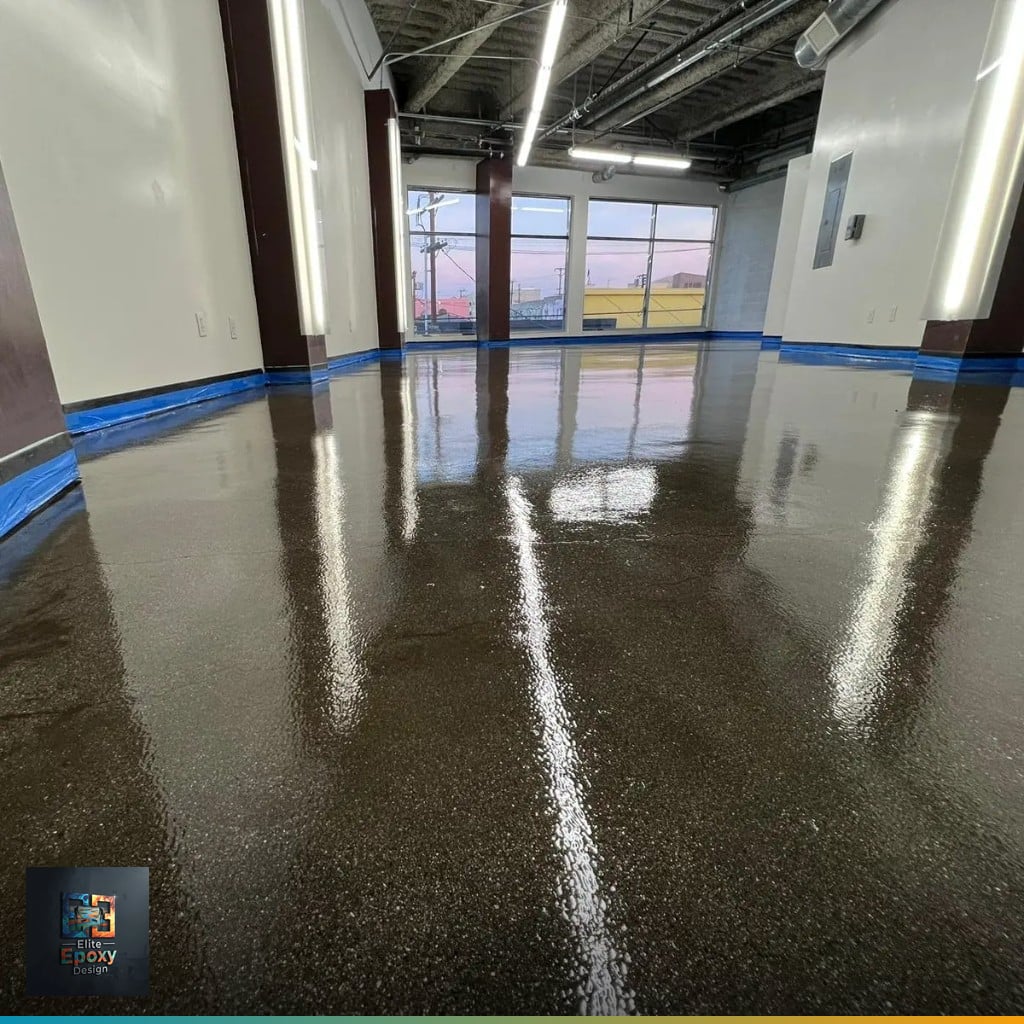
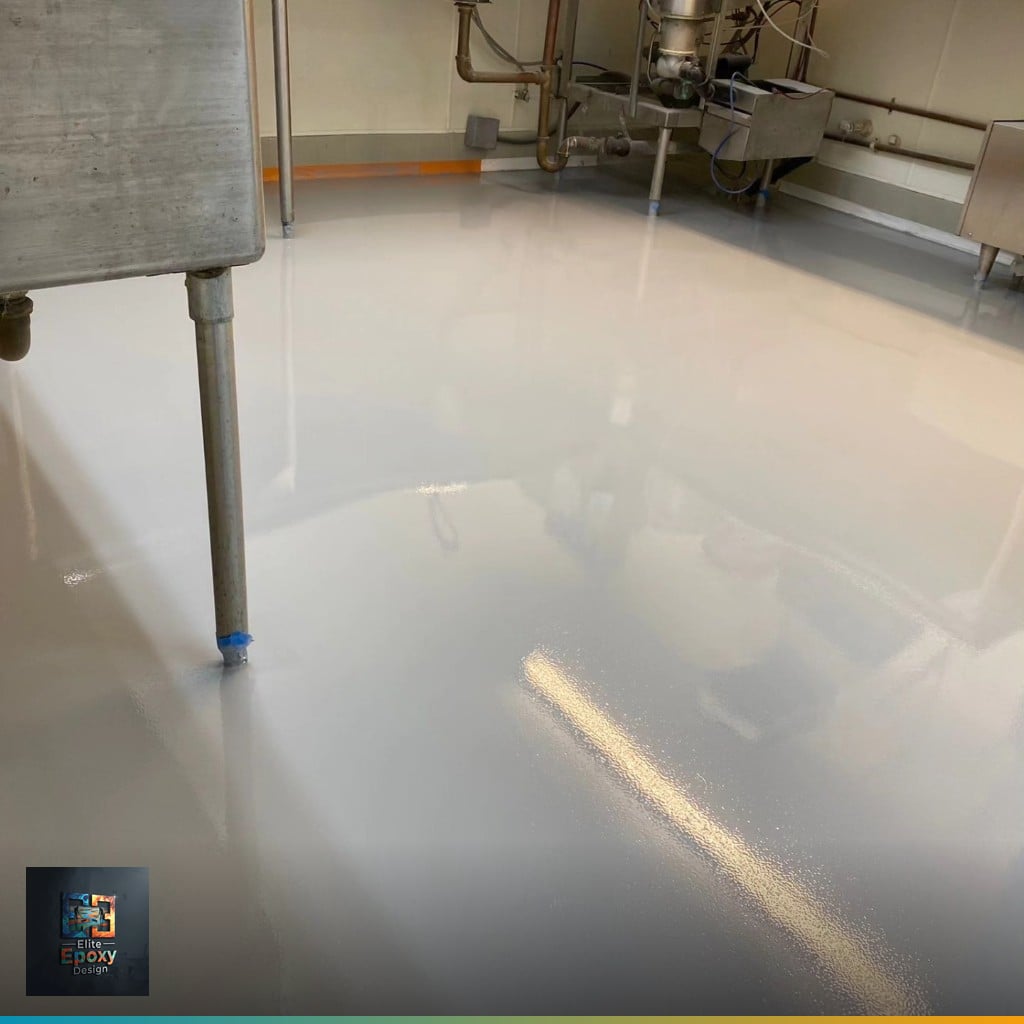
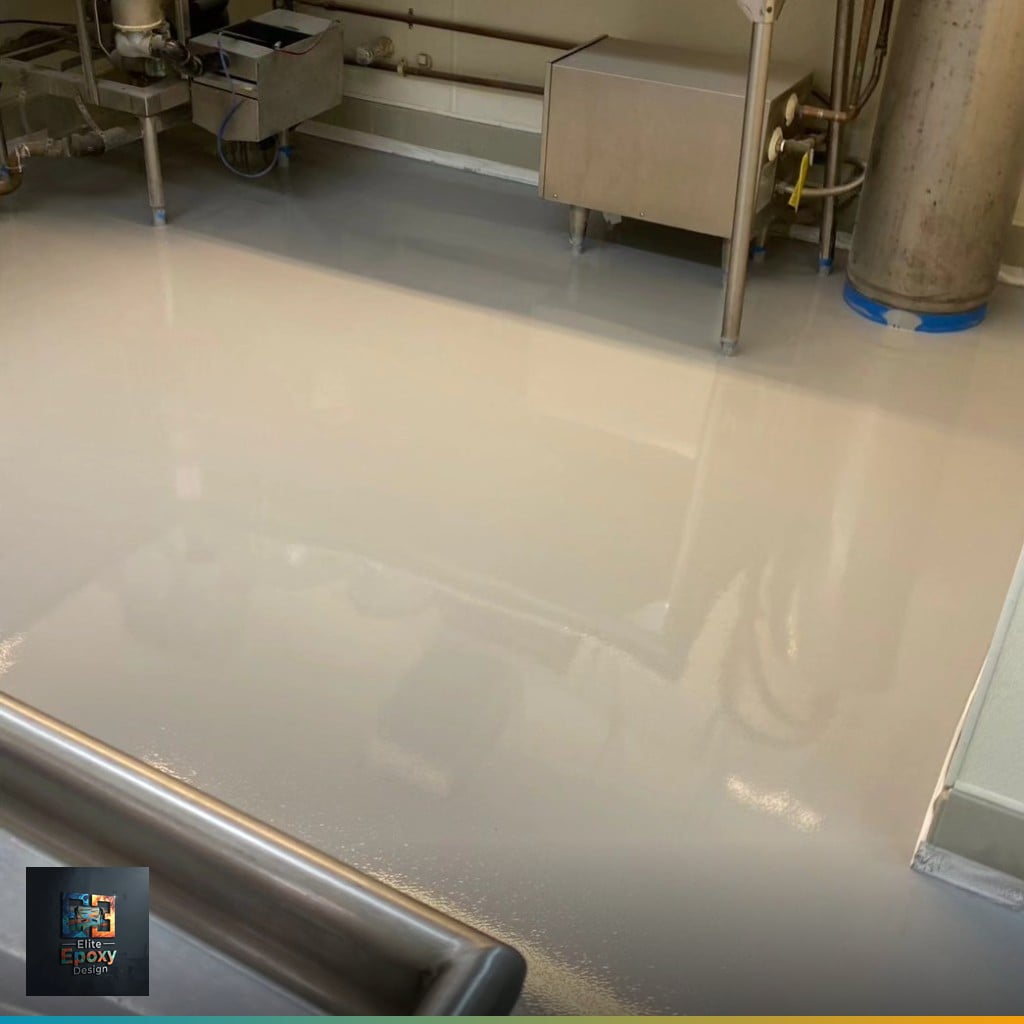
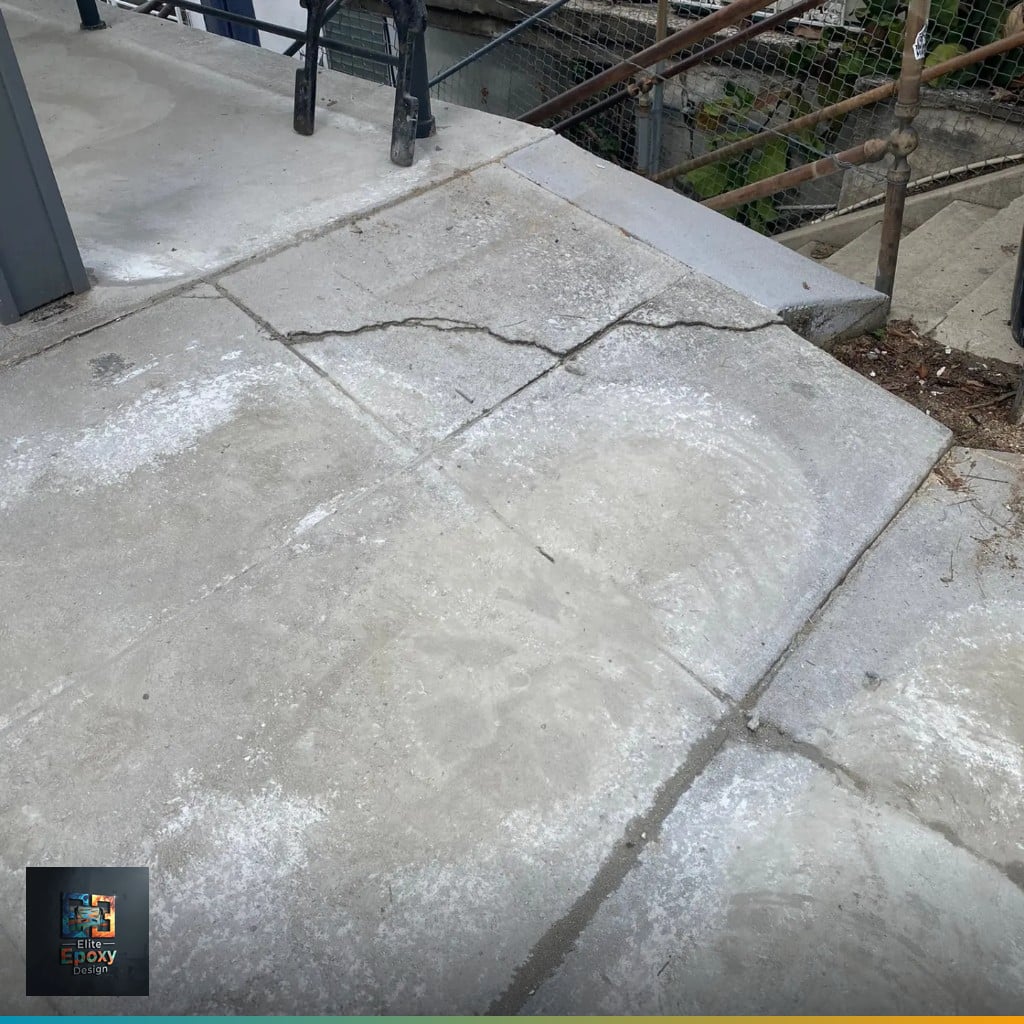
Yes, with a traffic-rated system, salt neutralized in prep, joints left as joints, and lanes phased so the gates stay open.
Traffic-rated systems for ramps and tiers, not a residential garage film. Turning abrasion is why thin coats die at the helix.
Winter brine is neutralized in prep so it does not live under the coat. Chlorides on bare decks are how steel and slabs fail.
Phased with the operator so gates and tenants keep moving. Full closes are rare and planned.
We grind, honor expansion joints, add ramp texture, and coat by lane or level so parkers still have a path.
You leave with a written spec matched to traffic, chemicals, and hours. We walk the floor on site and quote with the downtime plan on the page, no pressure.
The slab is profiled before any coating goes down. We diamond-grind, repair joints, and moisture-test so the film has something to hold.
You stay open on the zones we are not coating. Base coat, then flake, quartz, or metallic, phased by aisle or bay around your shifts.
Shifts return on the window we write down. A UV-stable polyaspartic topcoat and fast-cure chemistry are how the floor opens on schedule.
Yes on a traffic-rated system with salt neutralized in prep, joints honored, and ramp texture where it is wet. Residential garage flake is the wrong product on a helix. Metro Detroit decks fail from chlorides and turning abrasion. We phase lanes so the gates stay open. Waterproofing needs are scoped from the walkthrough, not assumed.
Deck coatings and membranes are scoped from the walkthrough. Not every slab needs the same system. A wearing coat is not always a full waterproofing stack. We will not sell a film as a leak fix if the membrane is the real problem. Honesty here is a different trade or a combined spec.
Ramps get texture. Flat decks can stay different. We spec both. A glossy film on a wet helix is how cars slide. Pedestrian paths can get their own grip. Tell us about rain, snow melt, and slope. That is the spec, not a brochure photo.
Usually by lane or level. Full closes are rare and planned. Tenants and parkers keep a path. Night and weekend windows are common. The operator sets how many stalls can go down. We will not coat a garage like a vacant warehouse and block the gates.
Moving joints get honored. Coating over them is how leaks come back. Seasonal decks move. Joint work is a line item. Stretching a film across a living joint is a callback in the first thaw. We walk joints with the operator before we grind.
That is why we spec traffic-rated systems, not residential flake. Extra wear at turns is expected and planned. Thin paint dies there first. Thickness and aggregate at the helix are part of the quote. Ignoring the turn is how pretty decks fail by spring.
We neutralize and grind so chlorides are not sealed in as a peel layer. Prep is the product on a parking deck. Coating over salty laitance is a failure. Care after install is still sweeping brine. The win is chlorides staying on the surface.
Yes. Pedestrian zones can be a cleaner flake. Vehicle decks stay traffic-rated. Same crew, two specs. Many Metro Detroit structures coat both in one project with a transition at the stair. We quote them separately if the calendar needs it.
On the cure window we write for temperature and chemistry. Fast-cure helps some night windows. Opening a helix on a green film marks and can cut the coat. The operator gets a lane-release time. Cool decks in January run slower. Plan occupancy backward from that time.
The same Metro Detroit crew coats loading docks, warehouses, and driveways when those slabs take brine and wheels.
Walk the deck with us. We quote ramps, tiers, and pedestrian zones separately, with the lane-closure plan on the page.