Won’t amber in glass heat
Aliphatic topcoats for all-day sun, not indoor garage epoxy. That is the difference between a floor that stays the color you picked and one that yellows by August.
Sunroom floor coating in Metro Detroit is a UV-stable polyaspartic system specced for glass rooms that bake all afternoon, so the floor does not yellow the way indoor epoxy does, and most sunrooms finish in a day after we grind and detail the joint where the room meets the house.
South-facing glass cooks ordinary epoxy. We spec UV-stable topcoats so the floor does not yellow, and we honor the joints where a sunroom meets the house.
Flake or metallic both work if the chemistry is right. Three-season rooms move with temperature, and we detail that instead of fighting it.
We look at sun load and floor transitions, then quote. Get your free quote →
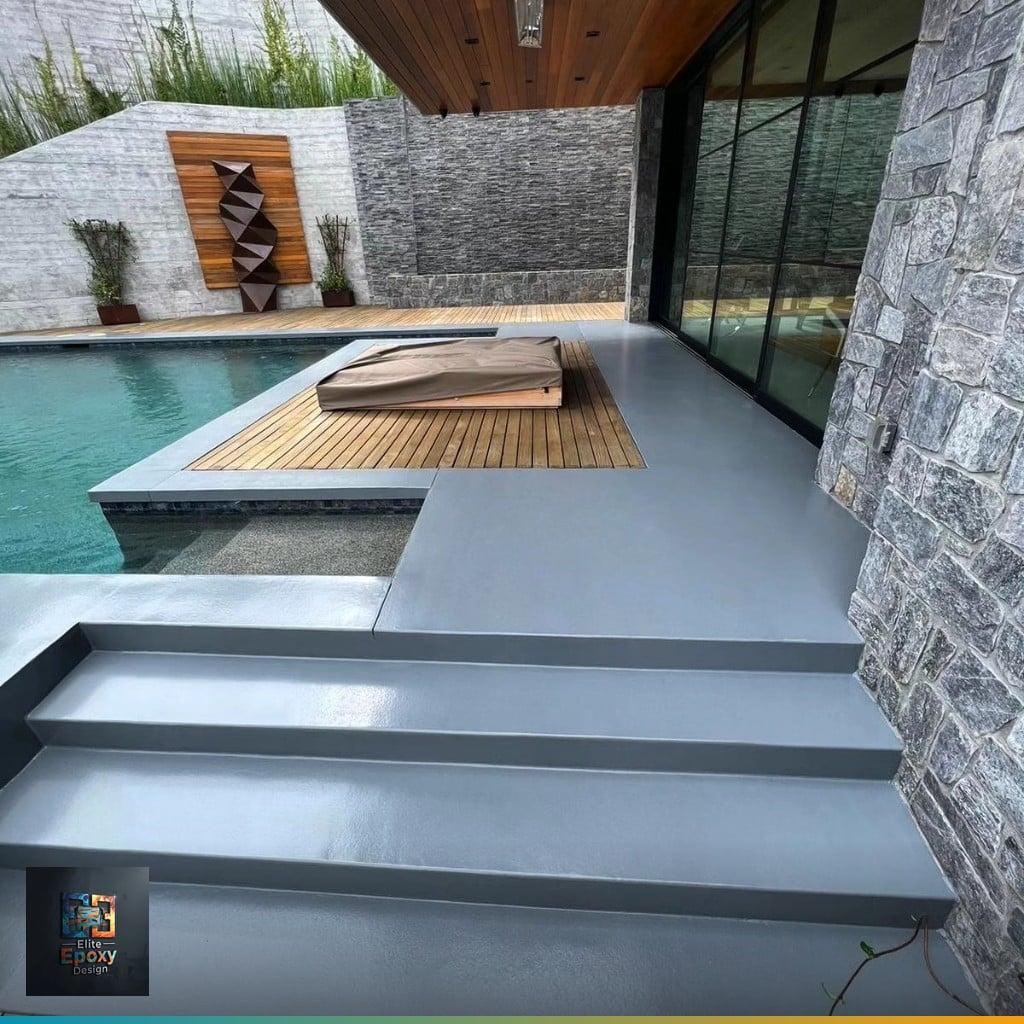
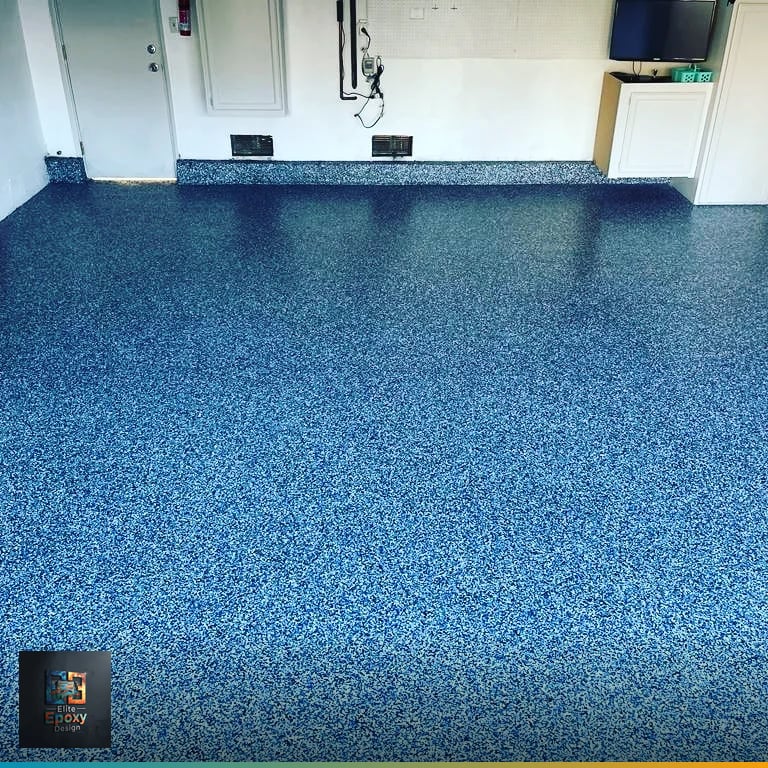
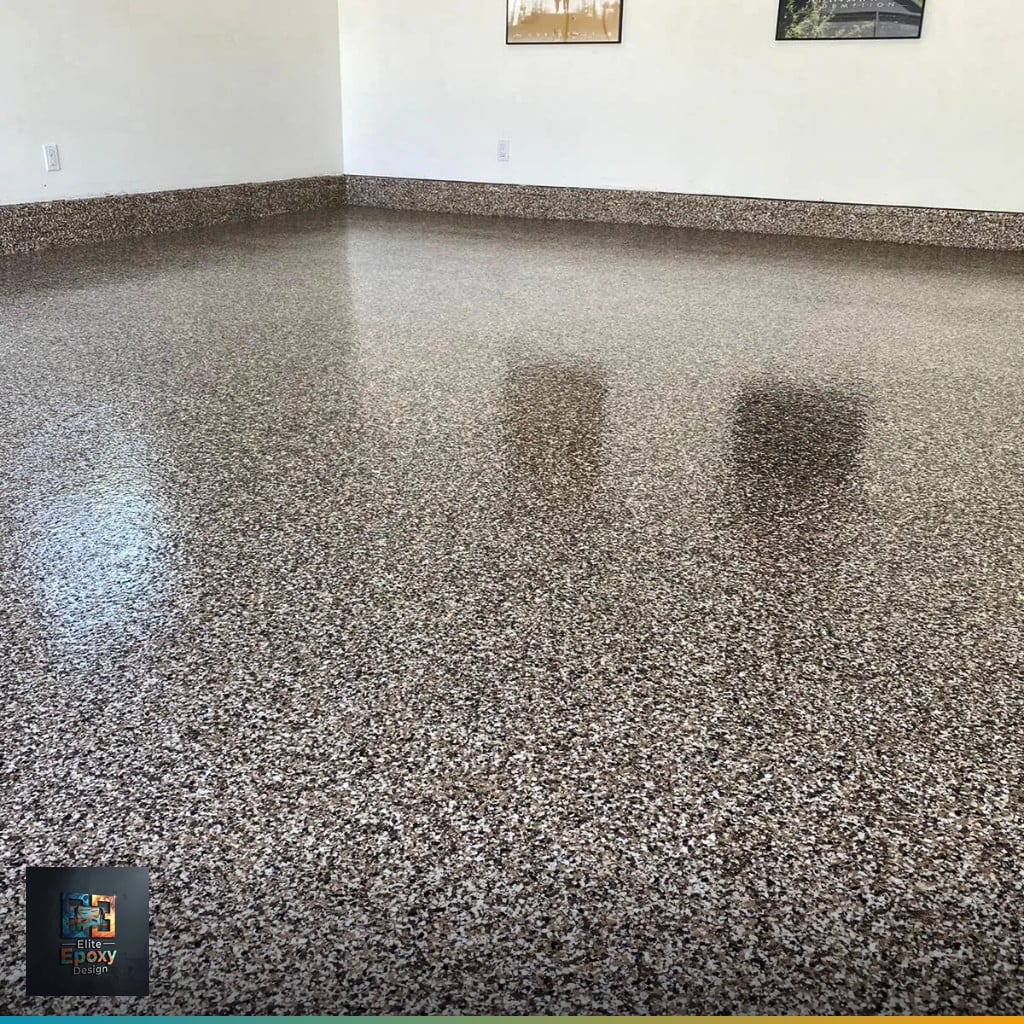
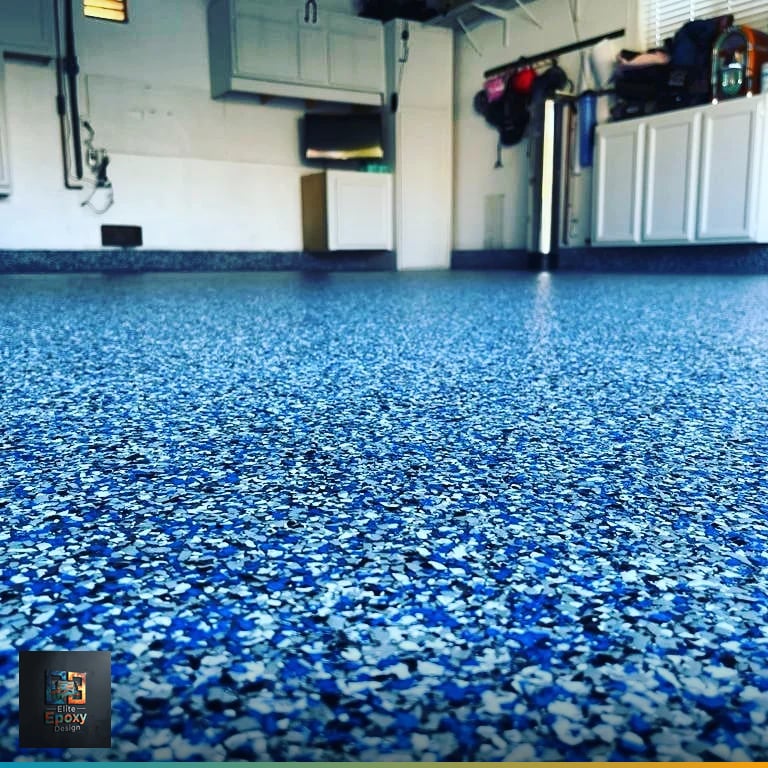
These are bright-room floors we installed in Metro Detroit, same UV-stable systems we spec for glass rooms that bake all afternoon.
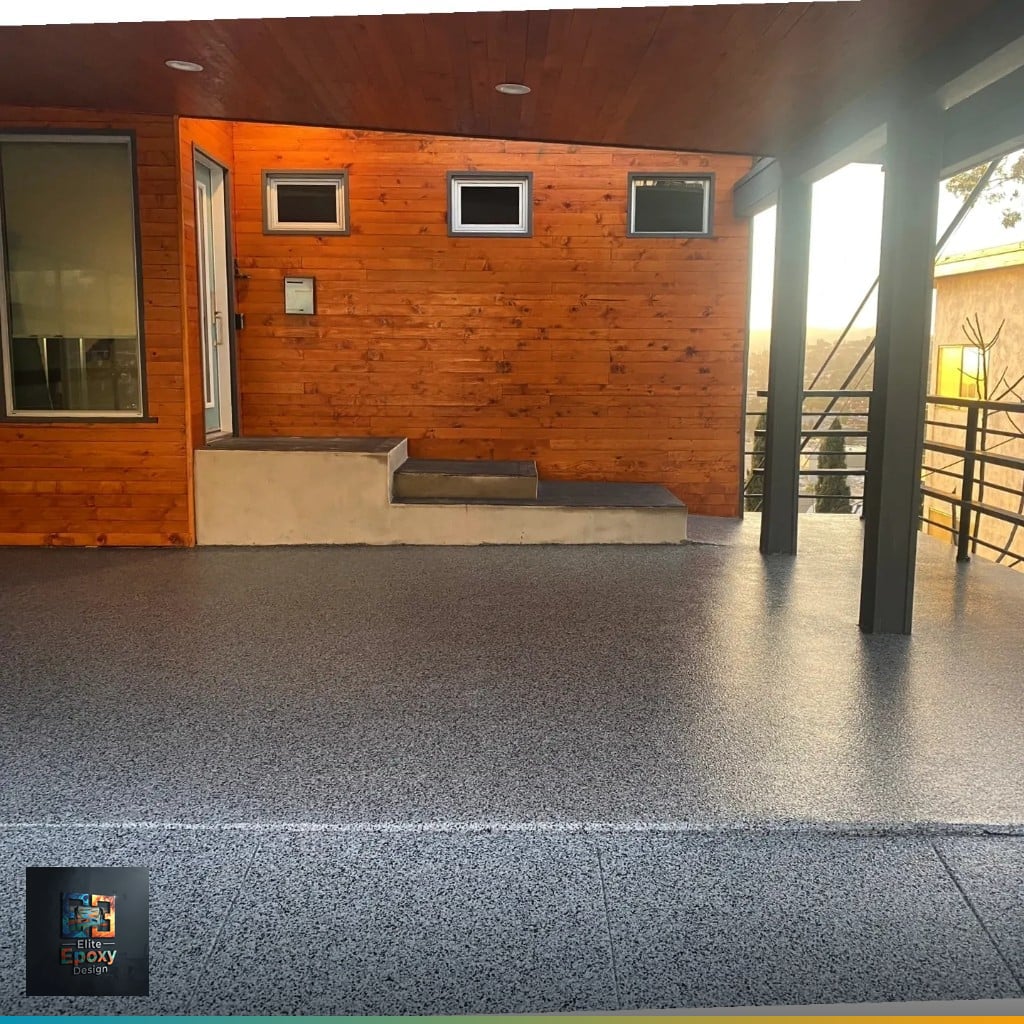
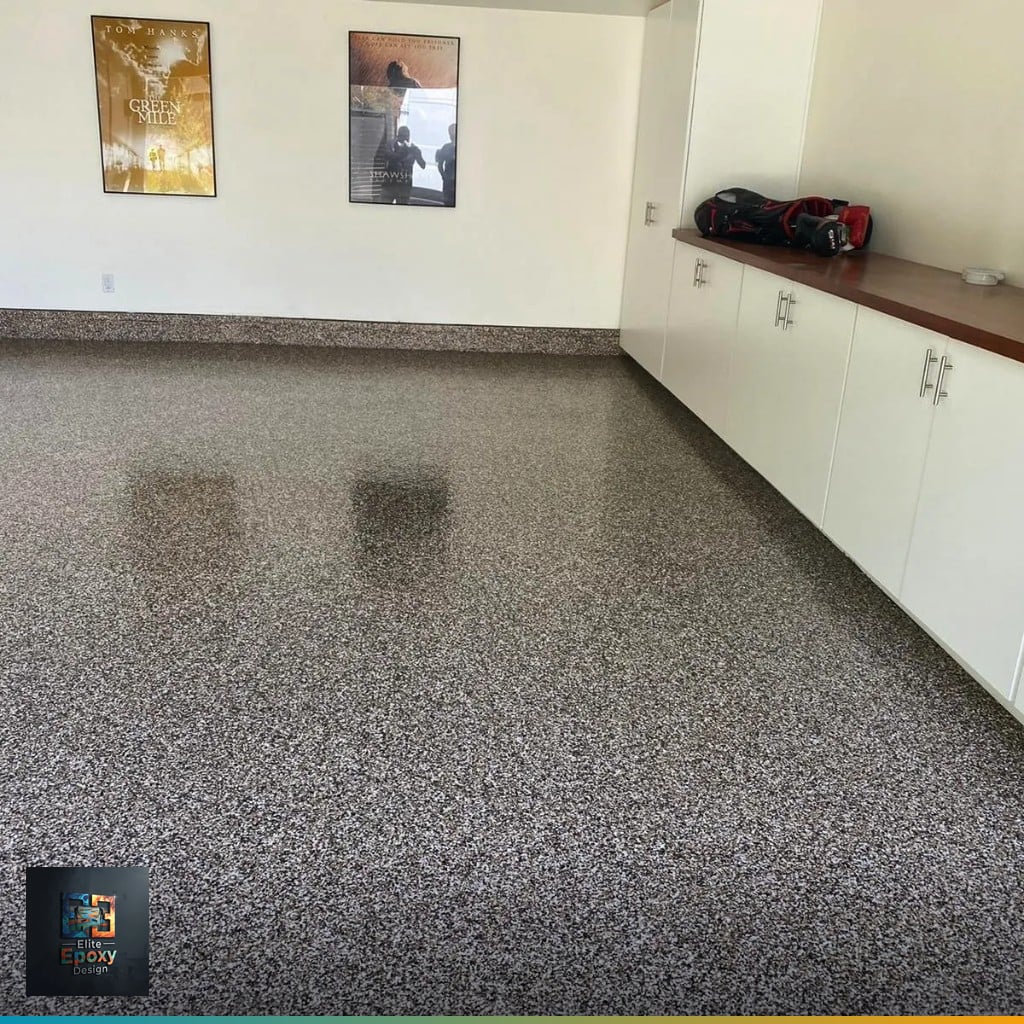
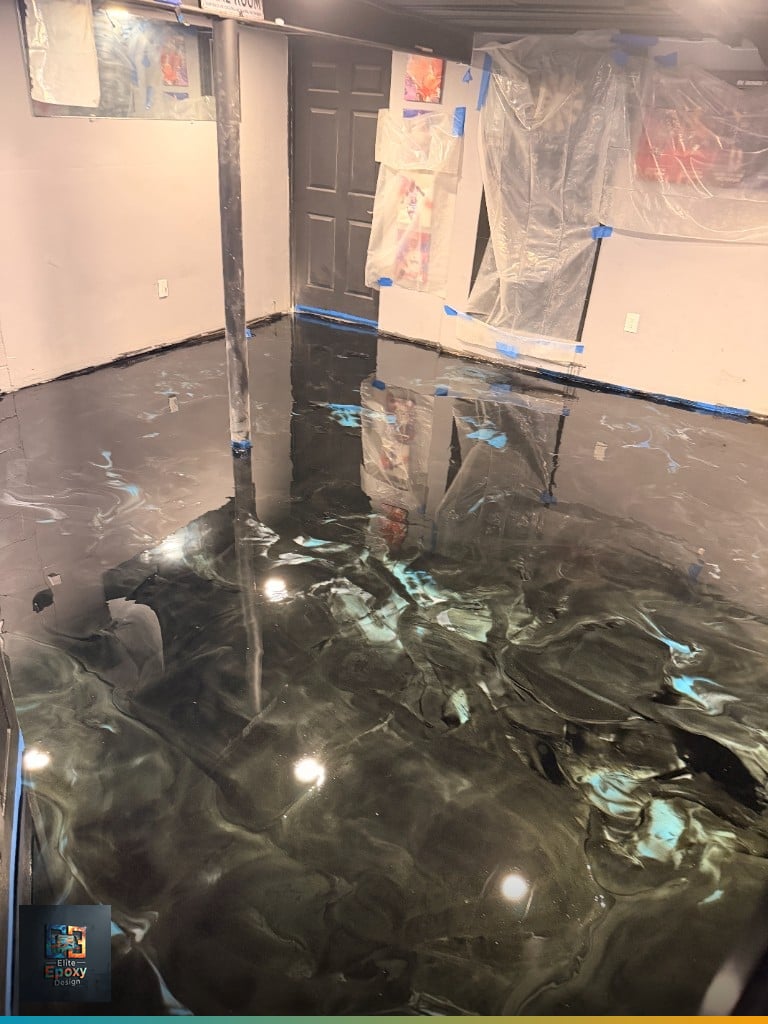
Not with a UV-stable polyaspartic. Indoor garage epoxy will amber under south-facing glass, which is why we spec a different topcoat for sunrooms.
Aliphatic topcoats for all-day sun, not indoor garage epoxy. That is the difference between a floor that stays the color you picked and one that yellows by August.
Three-season rooms move. We detail joints instead of filling them blindly and watching a split the first cold night.
Hose or mop. No carpet holding dirt from the yard. A sealed sunroom floor is why people actually use the room after a rain.
We grind, detail the joint where the room meets the house, and seal with a UV-stable topcoat. Most sunrooms finish in a day.
You get a written quote the same visit. We look at the slab, talk finish options, and leave the number with you, no pressure.
The coating can last because the slab is actually prepped. We diamond-grind, fix cracks, and moisture-test before any product goes down.
The finish you picked goes down the same day on most homes. Base coat, then flake, quartz, or metallic, wall to wall.
Most homes take light use the next day. A UV-stable polyaspartic topcoat seals the system, and we write the exact window before we leave.
Not with UV-stable topcoats. Cheap indoor epoxy will amber under south-facing glass. Metro Detroit sunrooms bake, which is why we spec an aliphatic finish instead of leftover garage material. Color stay is a chemistry choice, not a hope. We check sun load on the walkthrough before we pick the system.
Yes. We plan the transition height so it does not trip. Sunrooms often sit on a different slab than the house, and that joint has to stay a joint. We do not bury it under a thick film and pretend the rooms never move. You will see the transition detail on the quote.
Most sunrooms, yes. Grind, coat, and a next-day walk-on window is typical on polyaspartic. Furniture and planters wait a bit longer so they do not print. Three-season rooms in cool weather can run slower, and we account for that. You get a written schedule before we start.
Metallic under glass looks dramatic and shows every footprint. Flake hides dirt from the yard and plant watering. Both need UV-stable topcoats in a Metro Detroit sunroom. We will say if high-gloss metallic will look dirty with kids and dogs using the door to the patio.
Dark metallics in full sun can get warm, like any dark floor. Lighter flake blends stay more comfortable. It is still a coating on concrete, not a shaded porch. We steer color if hot-foot is the complaint. Texture helps wet traction more than it changes temperature.
Yes, with joints detailed for movement and a UV-stable system. Unheated rooms swing harder than a finished basement. We do not treat them like an indoor hallway. If the slab is pouring water or the room is structurally unsound, we stop. Honest limits beat a pretty peel.
No. Water sits on top and mops up. Pollen and dirt from the yard wipe instead of grinding into carpet. Use saucers under pots if you want to avoid mineral rings. A sealed floor is why sunrooms stay usable. We still want you to wipe fertilizer spills instead of letting them sit for weeks.
We can use the same flake family so the rooms talk to each other. Exterior patio chemistry is still UV-stable, same as the sunroom, but texture on the outdoor side may be heavier for wet feet. Close, not pixel-identical. Many Metro Detroit homes coat both in one project.
Then the transition is the job. We measure both planes and spec a reducer or detail that does not trip. Forcing one thick coat to hide a step is how people fall. We would rather show you the height than hide it. That conversation happens before we grind.
The same Metro Detroit crew coats patios, basements, and kitchens when you want the glass room to match the rest of the house.
We look at sun load and floor transitions, then give a written quote. If the room should not be coated, we say so.