Matched to the exposure
Build and chemistry follow coolants, acids, and wheel loads, not a generic garage system. The line tells us the spec.
Industrial floor coating in Metro Detroit is a chemical-resistant quartz or mortar system matched to coolants, acids, and wheel loads, installed in shutdown windows so the rest of the plant keeps running instead of living on a catalog spec that fails in weeks.
Coolants, carts, and thermal cycling eat thin sealers in weeks. We map exposure, grind the slab, and put down quartz or mortar where impact actually happens.
Shutdown windows get used. Fake one-size specs do not. Joints and press pads get repaired before coating.
Walk production with us. We quote thickness and chemistry to your calendar. Get your free quote →
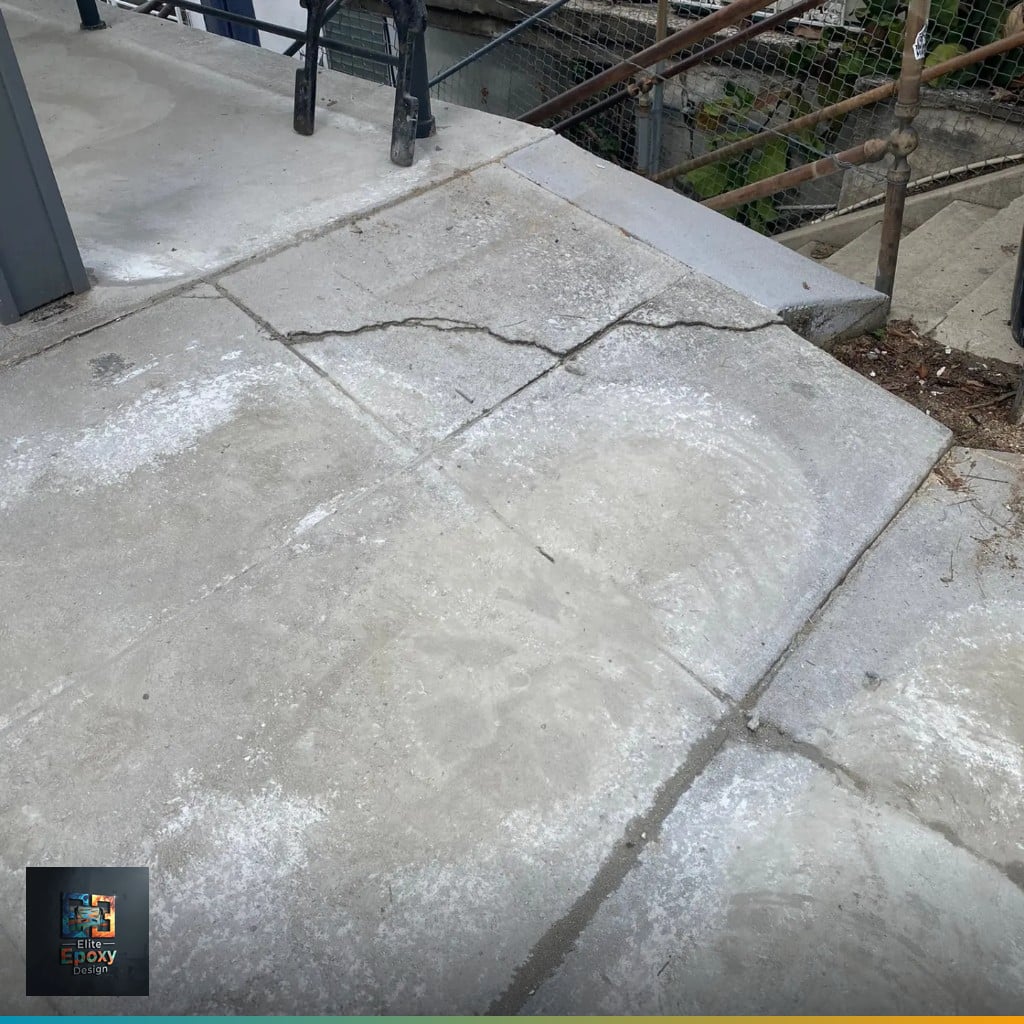
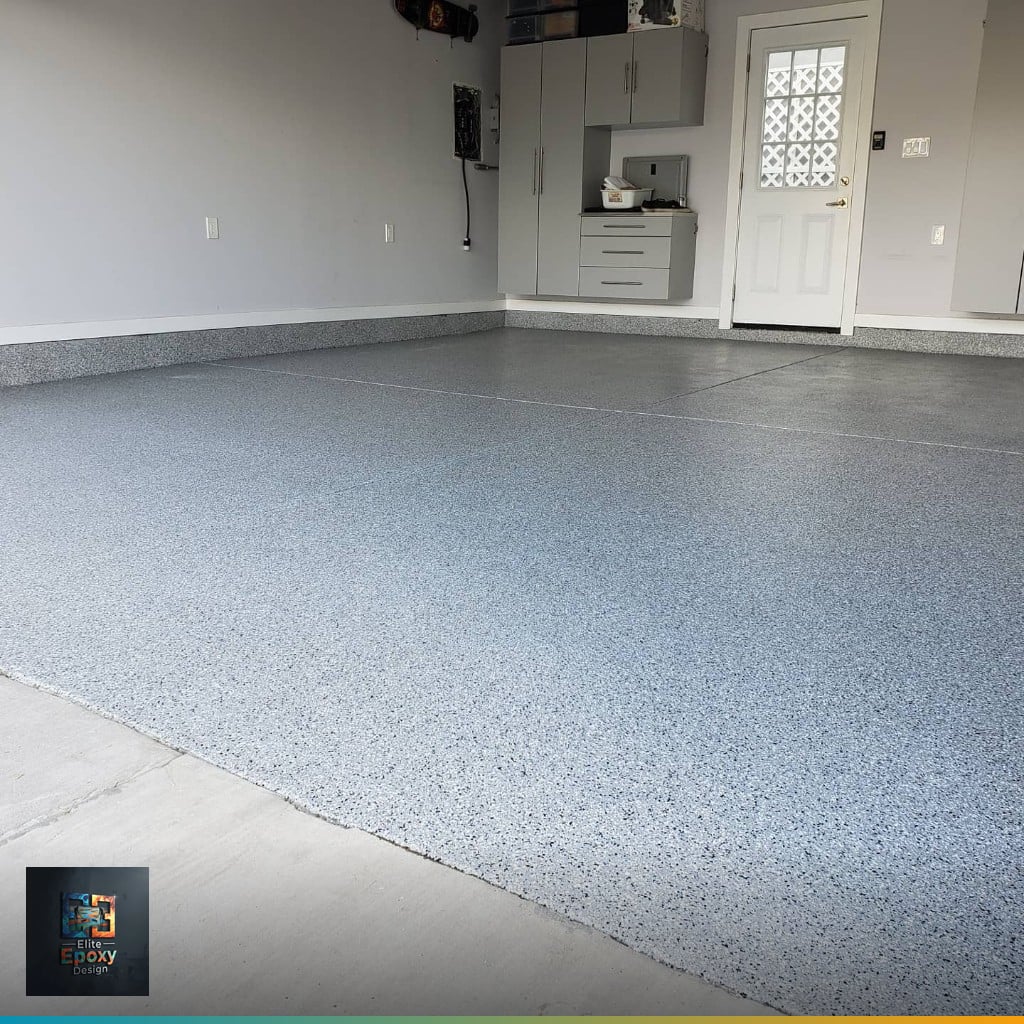
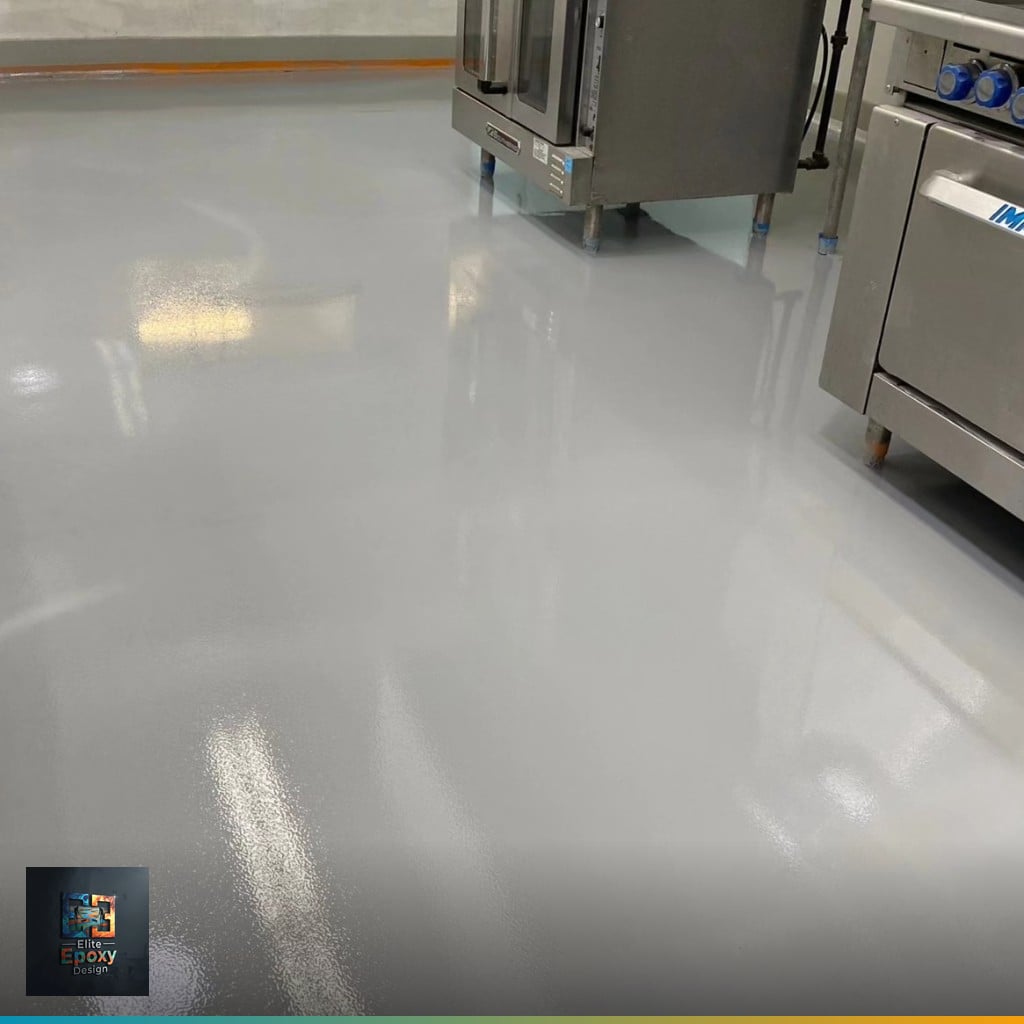
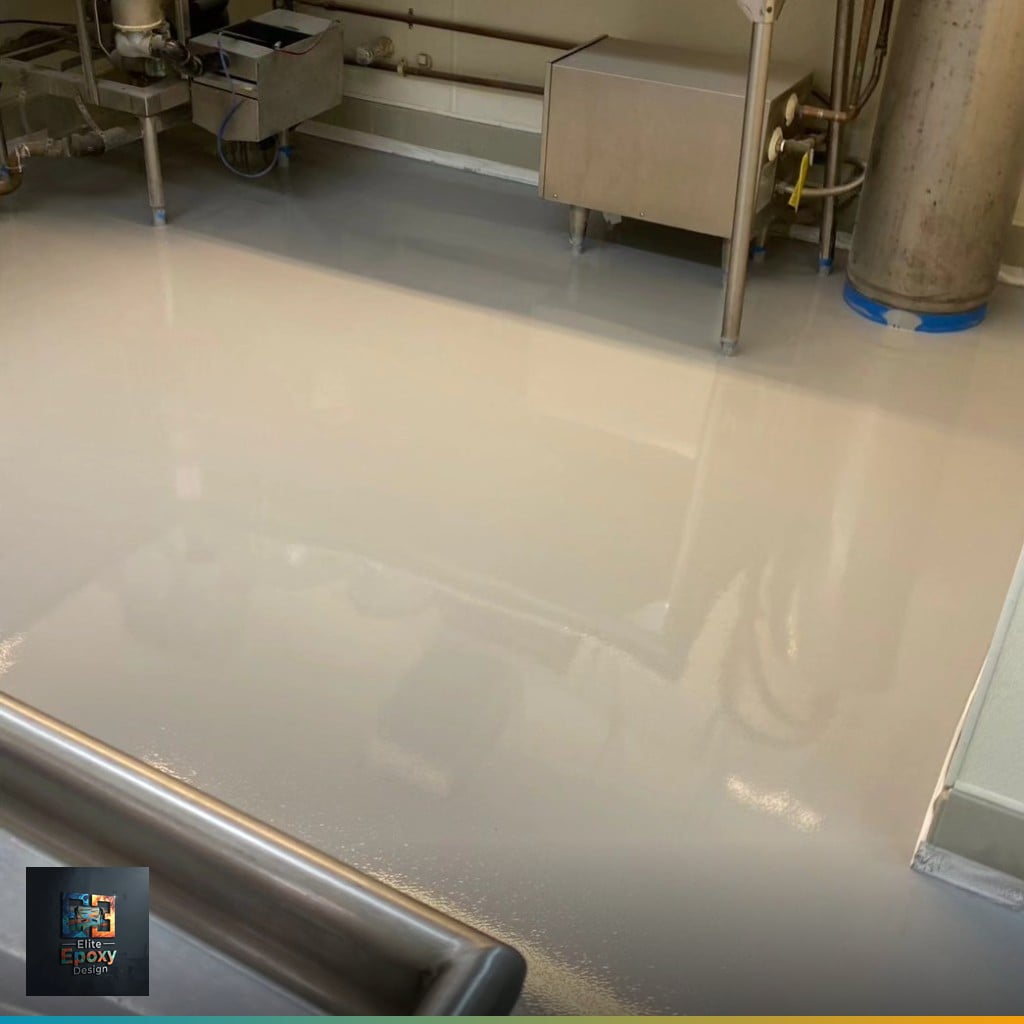
These are industrial floors we installed in Metro Detroit, same quartz and mortar systems we spec to the chemicals and wheels on your line.
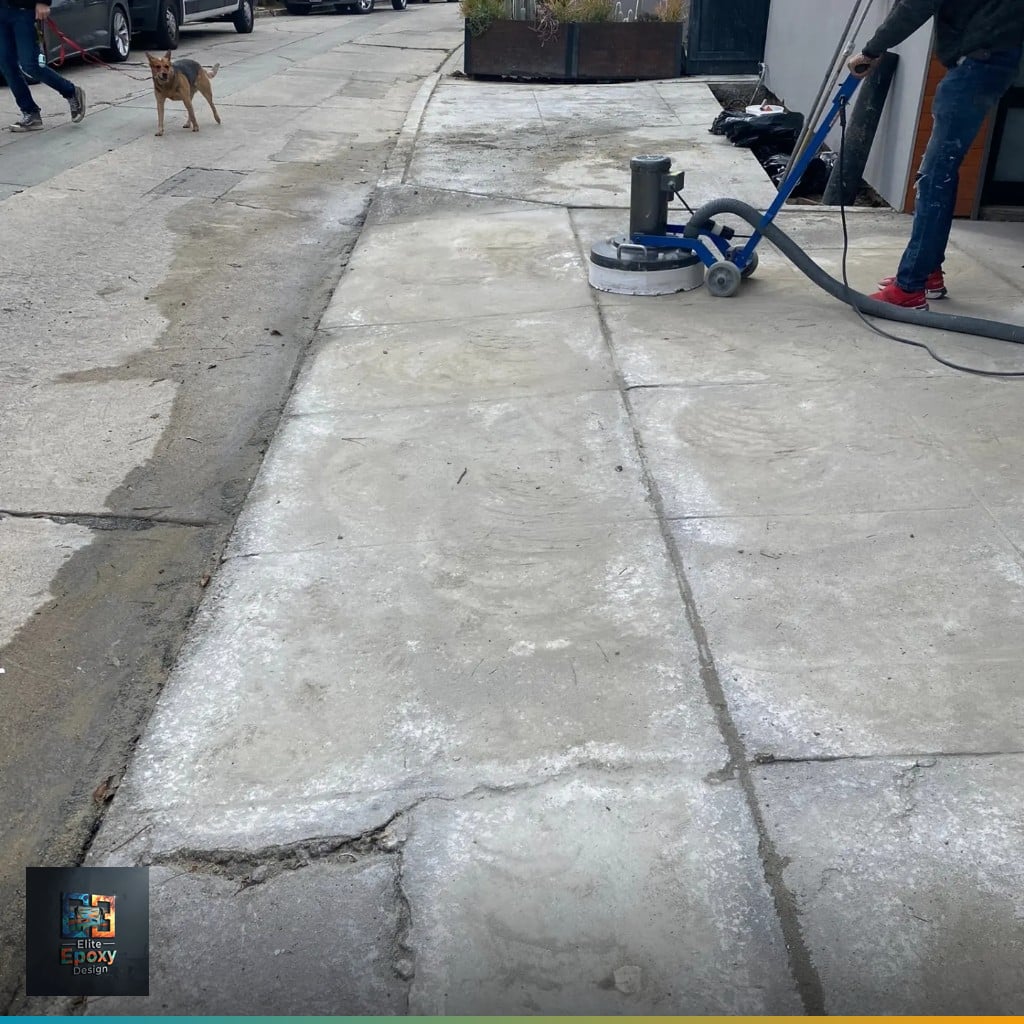
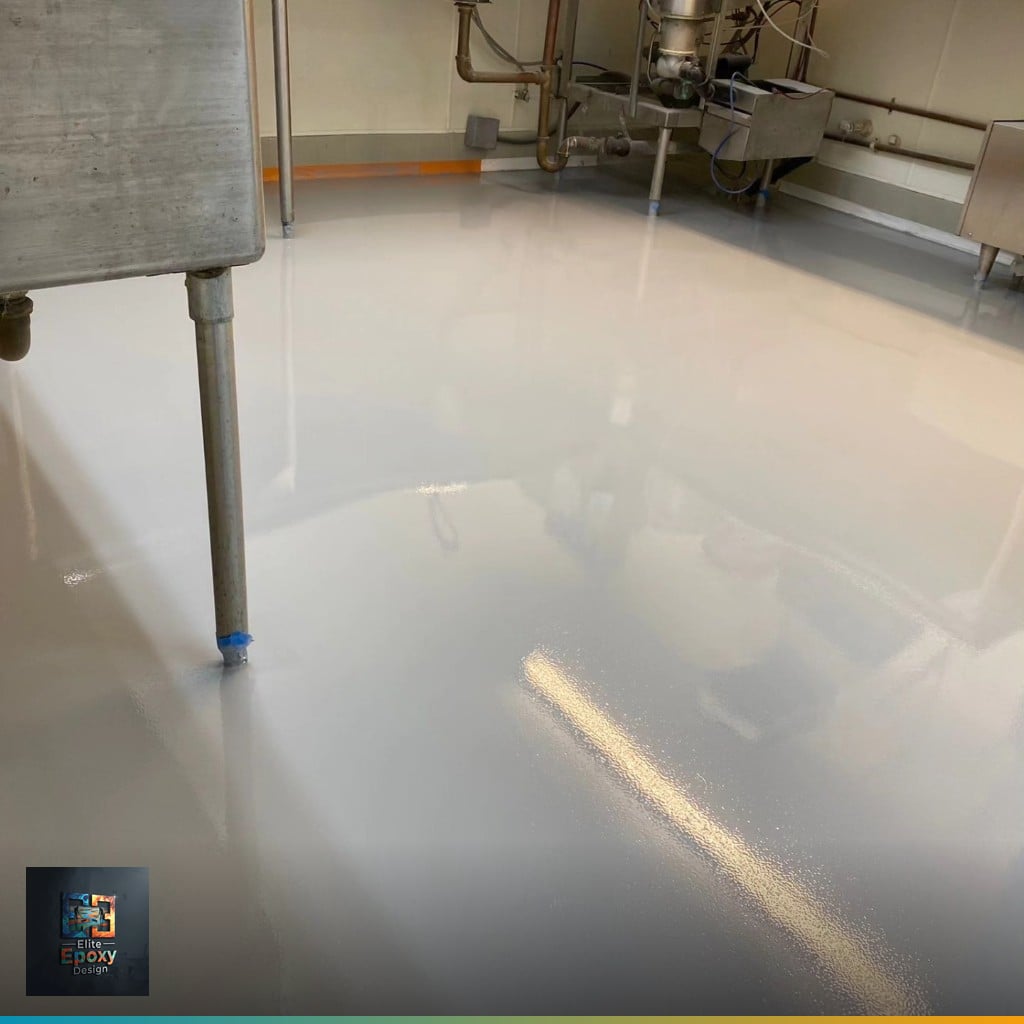
The one matched to your coolants, acids, and wheel loads, usually quartz or mortar, installed in the shutdown windows you already have.
Build and chemistry follow coolants, acids, and wheel loads, not a generic garage system. The line tells us the spec.
Press pads, crane paths, and failed joints get repaired before coating. A film over a live joint is a callback.
Phased by line so the rest of the plant keeps running. We use the downtime you already have.
We map exposure, repair joints and impact pads, grind, and coat by cell so the rest of production keeps running.
You leave with a written spec matched to traffic, chemicals, and hours. We walk the floor on site and quote with the downtime plan on the page, no pressure.
The slab is profiled before any coating goes down. We diamond-grind, repair joints, and moisture-test so the film has something to hold.
You stay open on the zones we are not coating. Base coat, then flake, quartz, or metallic, phased by aisle or bay around your shifts.
Shifts return on the window we write down. A UV-stable polyaspartic topcoat and fast-cure chemistry are how the floor opens on schedule.
The one matched to your chemicals and wheel loads, usually quartz or mortar, not a catalog garage epoxy. We map exposure, repair joints, and coat in shutdown windows. Metro Detroit plants fail when someone buys a one-size sealer. Coolants and steel wheels tell the spec. We walk the line before we quote thickness.
We spec against your actual exposure list. Generic epoxy is not a plant floor. Bring the SDS for coolants and wash-down. Some acids need a different chemistry than oils. Honesty here is a no on the wrong product. A pretty gray film that dies in a month is more expensive than the right mortar.
Yes. We phase by cell or aisle and use shutdown windows you already have. Full-plant coats wait for a planned down week. Most Metro Detroit plants never lose the whole floor at once. The phase map is with production, not invented on night one.
Quartz and mortar builds are sized for the traffic you run, including turns. Thin paint fails at the aisle corner. We ask what actually rolls. Hard wheels and dumped loads are why residential flake does not belong on a plant floor. Thickness is a line item, not a vibe.
Aisle lines, pedestrian paths, and hazard colors can go in with the coat. Striping after a random paint job never quite matches. We lay out with safety and ops before we grind. Changes after broadcast cost more. Lock the layout first.
Joints stay joints. Wash-down zones get the chemistry and texture that survive the hose. A film stretched over a moving joint splits. We look at hot processes and cold docks on the same walk. One spec for the whole plant is how jobs fail.
Not until it is cleaned and profiled. Oil-soaked slabs reject coating. Degrease, grind, test. If the concrete is rotten with oil, we will say coating is the wrong spend. Covering a contaminated slab is a peel with a warranty fight attached.
On the cure window we write for that chemistry and temperature. Fast-cure polyaspartic helps some zones. Heavy mortar needs more time. Rolling production onto a green floor craters it. Production gets a cell-release time, not a hope, so the line comes back when the film can actually take wheels.
Related, not identical. Warehouses are mostly wheels and dust. Plants add chemicals, heat, and impact pads. We still grind and often use quartz. The chemistry and thickness follow the line. Copying a warehouse flake kit onto a coolant aisle is a miss.
The same Metro Detroit crew coats warehouses, loading docks, and auto shops when those slabs take related abuse.
Walk production with us. We quote thickness and chemistry to your calendar, with the shutdown phase plan on the page.