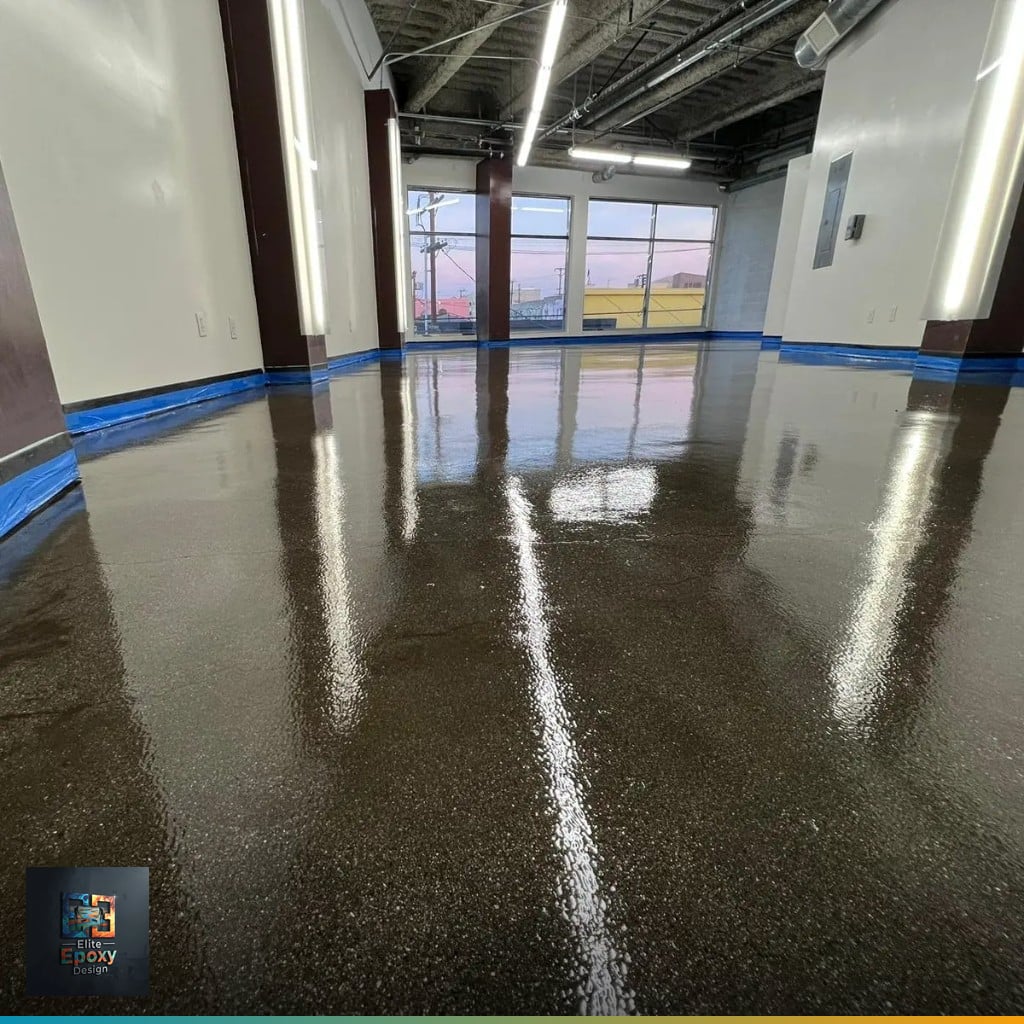
Built for hard wheels
Quartz thickness is specced for your actual forklift and pallet-jack traffic, including the turns that wreck thin sealers.
Warehouse floor coating in Metro Detroit is a grind-and-seal quartz or high-build system rated for forklifts, salt, and night shifts, so concrete dust stays out of inventory and pick paths stay open because we phase by aisle instead of shutting the building.
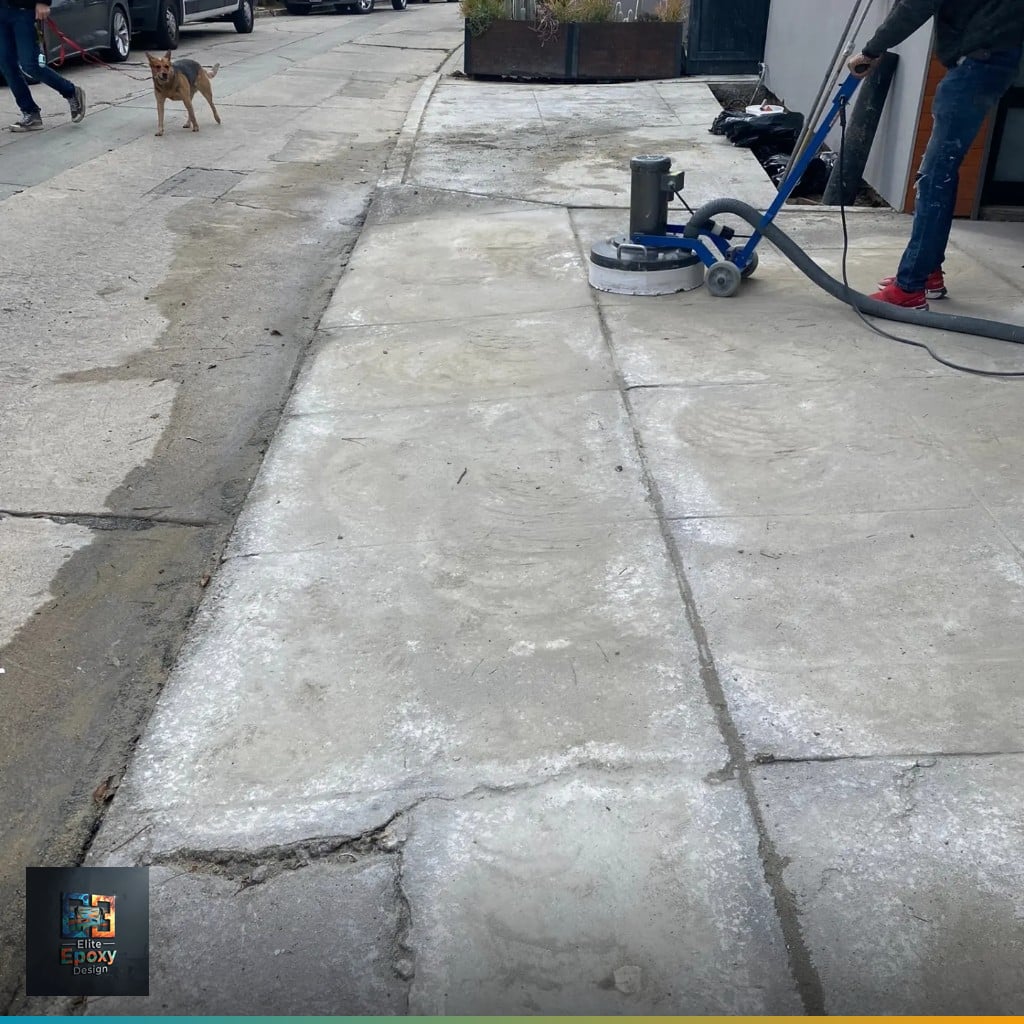
Bare warehouse concrete powders onto product and fails at aisle turns. We grind, repair joints, and install a quartz or high-build system rated for hard-wheel traffic.
Work is phased by zone so pick paths stay open. Striping and staging boxes can go in with the coat.
Walk the floor with us. We spec traffic, joints, and downtime before we quote. Get your free quote →
These are sealed commercial floors we installed in Metro Detroit, same quartz and high-build systems we spec for forklift traffic.
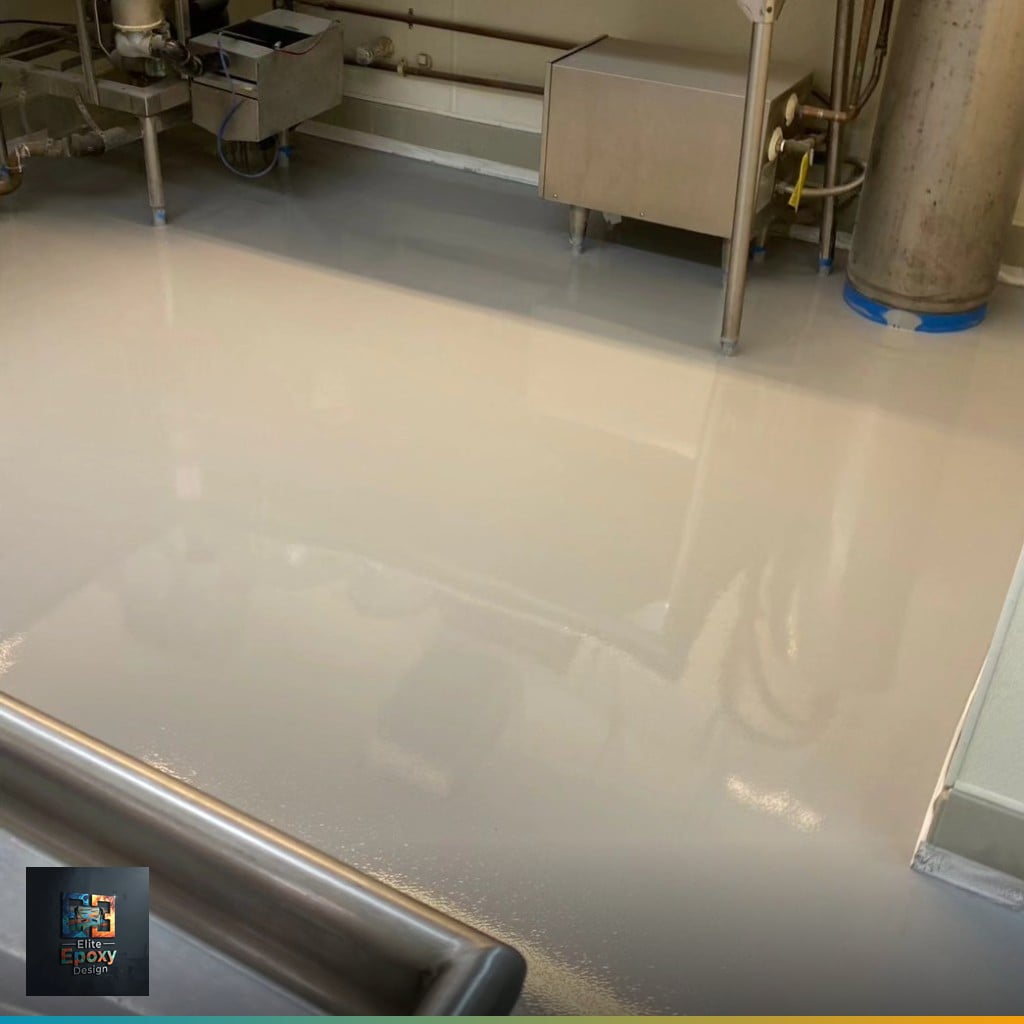
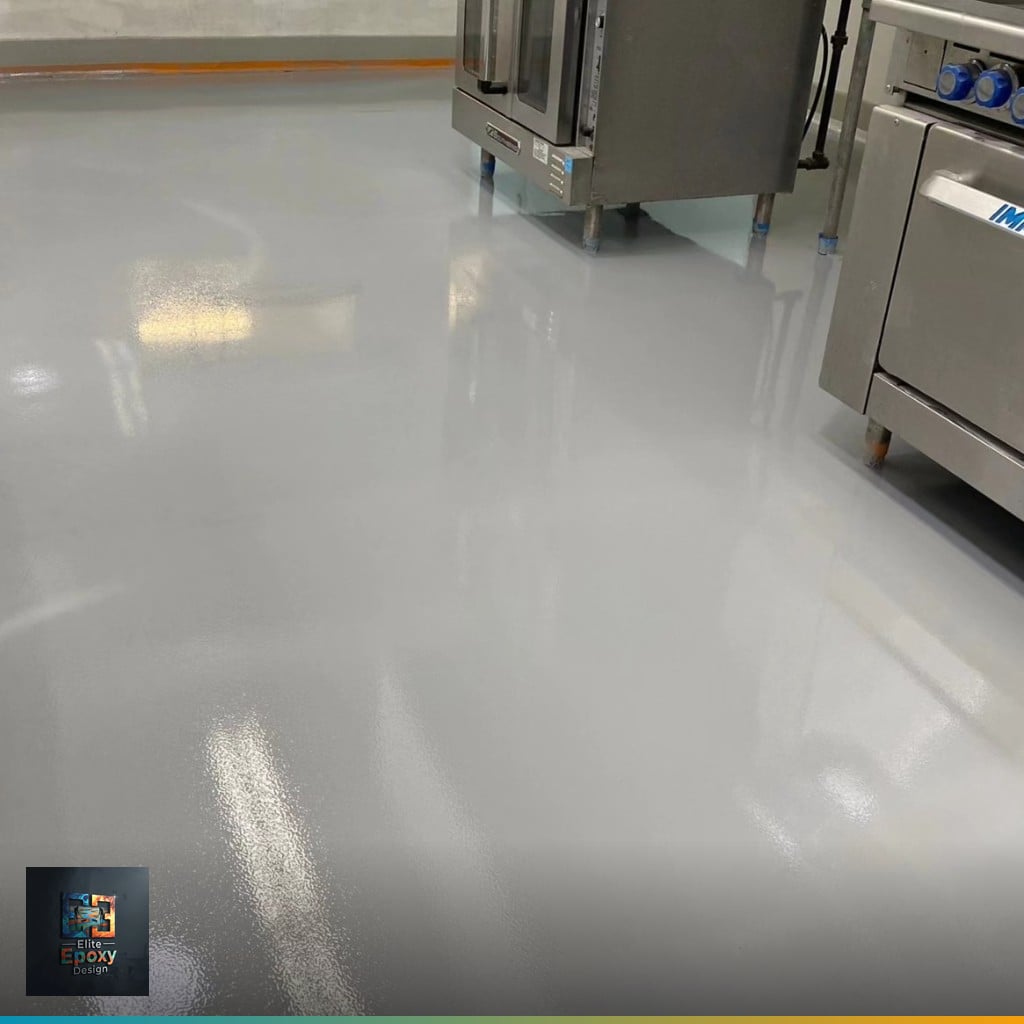
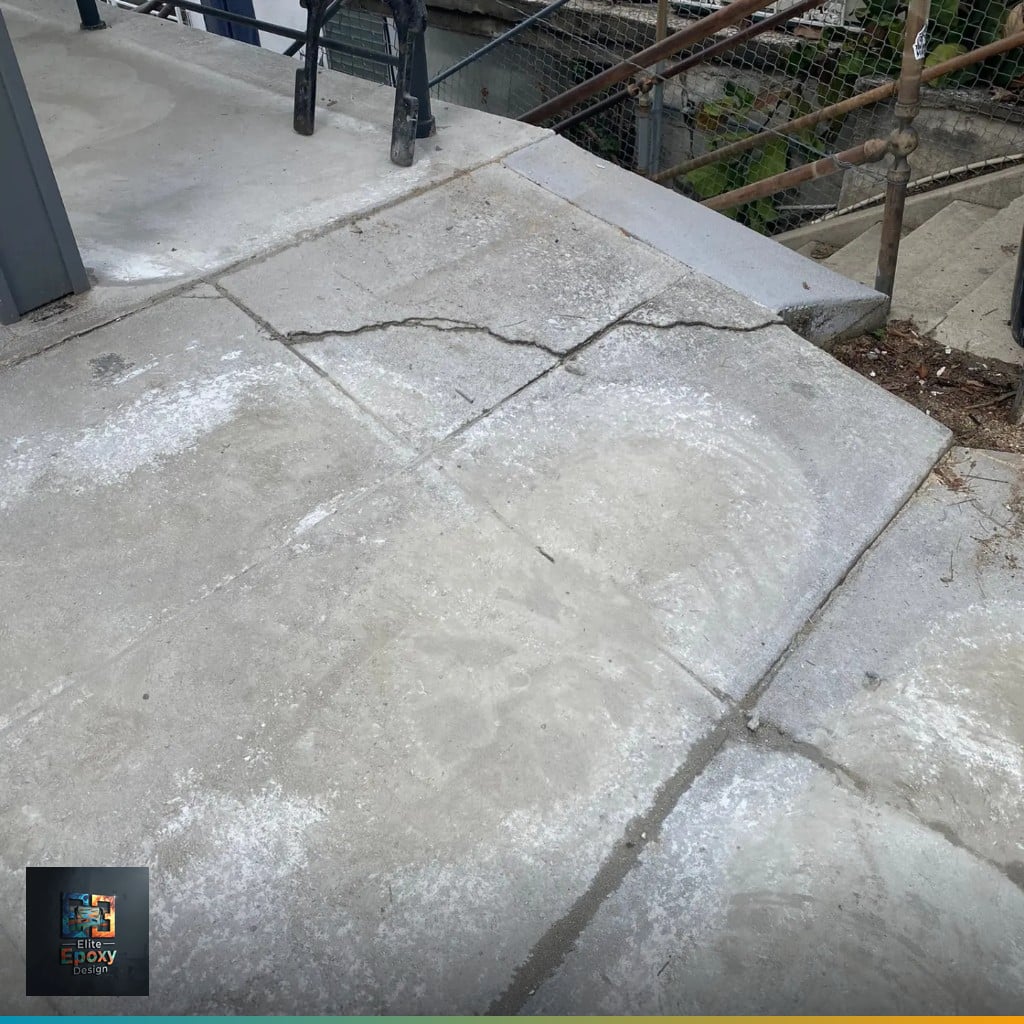
Yes. We spec quartz thickness for your wheel loads and turns, then phase by aisle so the building stays open.
Quartz thickness is specced for your actual forklift and pallet-jack traffic, including the turns that wreck thin sealers.
A sealed slab stops concrete dust and contains spills instead of soaking them in. That is why coated warehouses stay cleaner around product.
Aisle-by-aisle coats and off-shift windows so you do not shut the building. Night shifts keep running on the open zones.
We walk traffic and joints, grind, repair, and coat by zone. Off-shifts and fast-cure windows keep pick paths live.
You leave with a written spec matched to traffic, chemicals, and hours. We walk the floor on site and quote with the downtime plan on the page, no pressure.
The slab is profiled before any coating goes down. We diamond-grind, repair joints, and moisture-test so the film has something to hold.
You stay open on the zones we are not coating. Base coat, then flake, quartz, or metallic, phased by aisle or bay around your shifts.
Shifts return on the window we write down. A UV-stable polyaspartic topcoat and fast-cure chemistry are how the floor opens on schedule.
Yes, with quartz or mortar at the right thickness for your wheel loads and turns. Thin paint and residential flake fail at aisle corners. We spec build to the trucks you actually run in Metro Detroit, including hard wheels. If the slab is rotten at the joints, we repair first. A pretty film on a failing joint is not a warehouse floor.
We phase by aisle or zone, work off-shifts, and use fast-cure polyaspartic where the schedule demands it. You set which pick paths stay live. Full-building shutdowns are rare and planned. Most Metro Detroit warehouses never lose the whole floor at once. The phasing plan is on the quote, not a surprise on night one.
Yes. Spalls and failing joint edges get repaired. Moving joints get flexible detail so traffic does not reopen them. Coating over a live joint is how warehouse floors split in the first winter. You will see joint work as a line item. Honesty here is cheaper than a callback in January.
Yes. Pedestrian paths, staging boxes, and safety yellows go in with the coating plan. Striping after a random paint job never quite matches. We lay out aisles with your ops lead before we grind. Changes after broadcast cost more, so we lock the layout first.
Salt stays on a sealed surface instead of soaking the slab. Docks and first aisles still take the most abuse, and we can spec heavier build there. Peel is a prep miss or a joint skip, not Michigan weather by itself. We neutralize brine in prep. Care is still sweeping and mopping, not ignoring ponded salt all winter.
Light traffic is often next day on polyaspartic. Loaded racks and hard-wheel turns wait on the cure window we write down. Cool buildings run slower. We would rather hold a zone overnight than crater a green floor. That window is on the quote so ops can plan slots.
Only if it is bonded. Failed coatings come off. We test adhesion and tell you whether we grind through or stop. Overlaying a peeling warehouse floor is how the next film fails at the first forklift turn. Metro Detroit jobs that last started with honest prep, not a cover-up.
No. We coat live buildings by zone. Product in the open aisle has to move. Racks in a closed zone can often stay if we can grind around the feet, though that leaves uncoated islands. We plan that with you. Empty is faster. Occupied is normal.
Quartz is the default for hard wheels and chemicals. Flake hides dirt in lighter traffic or offices attached to the warehouse. Mixing them by zone is common. We will not put a residential flake kit under sit-down forklifts and call it industrial. The spec follows the traffic, not the brochure.
The same Metro Detroit crew coats loading docks, plant floors, and parking decks when those slabs take the same abuse.
Walk the floor with us. We spec traffic, joints, and downtime, then give a written quote with the phasing plan on it.